How Much Should a Puppy Eat Per Day? (Simple Feeding Chart)
Feeding a puppy can feel confusing for many new dog owners.
How much food is enough?
How often should you feed them?
Are you feeding too much or too little?
The truth is, puppies need the right balance of food to grow properly. Feeding too much or too little can affect their development. This guide will help you understand exactly how much your puppy should eat and how to build a simple feeding routine.
How Much Should a Puppy Eat Per Day?
The amount of food depends on:
- age
- weight
- breed
- activity level
Puppies grow quickly, so their food needs change often.
Instead of guessing portions, you can follow a detailed dog feeding chart based on weight and size to adjust meals as your puppy grows.
Puppy Feeding Chart (Simple Guide)
Small Breed Puppies
- 2–4 months → ¼ to 1 cup per day
- 4–6 months → ½ to 1½ cups
Medium Breed Puppies
- 2–4 months → ½ to 1½ cups
- 4–6 months → 1 to 2 cups
Large Breed Puppies
- 2–4 months → 1 to 2 cups
- 4–6 months → 2 to 3 cups
These are general guidelines. Adjust based on your puppy’s needs. You can also follow a detailed portion guide based on your dog’s weight to adjust feeding as your puppy grows.
How Often Should You Feed a Puppy?
Puppies need frequent meals.
Feeding Schedule
- 2–3 months → 4 meals per day
- 3–6 months → 3 meals per day
- 6+ months → 2 meals per day
A consistent feeding schedule for growing puppies helps maintain digestion and energy. Along with portion size, following a daily feeding schedule for growing dogs helps maintain consistency.
Signs You Are Feeding the Right Amount
Good signs:
- steady growth
- healthy energy
- normal digestion
Warning signs:
- weight gain or loss
- low energy
- digestive issues
Adjust portions if needed. If your puppy has stomach issues, this simple recovery diet for dogs with diarrhea can help you manage feeding safely.
What Should You Feed a Puppy?
Puppies need:
- high-quality protein
- healthy fats
- balanced nutrients
Commercial puppy food is usually the best option. If your puppy refuses food, this guide to understanding appetite loss in dogs can help you identify possible causes.
Can Puppies Eat Human Food?
Some human foods can be given in moderation.
For example:
- plain rice
- boiled chicken
But these should not replace regular meals.
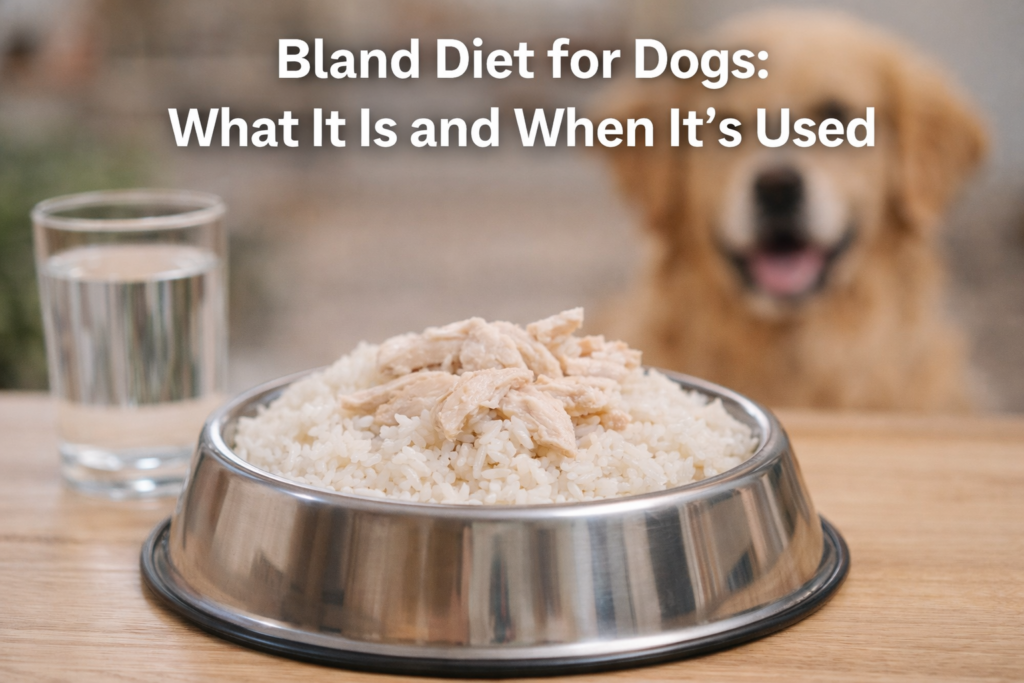
Understanding safe food options for puppies and how to include them properly is important. In some cases, simple foods like rice can help—this explains how rice fits into a dog’s diet safely.
Transitioning Puppy Food
When changing food:
- do it gradually
- avoid sudden changes
Follow a step-by-step approach to switching puppy food safely to avoid digestive issues.
Common Puppy Feeding Mistakes
Avoid:
- overfeeding
- too many treats
- irregular feeding times
- poor-quality food
These can affect growth. Feeding problems can sometimes lead to appetite issues—this guide to understanding why dogs stop eating explains what to look for.
How Feeding Affects Growth
Proper nutrition supports:
- bone development
- muscle growth
- immune system
Feeding correctly during early stages is critical.
Sample Puppy Feeding Routine
Morning
- main meal
Afternoon
- second meal
Evening
- third meal
Night
- light feeding (for very young puppies)
When to Adjust Feeding
You may need to adjust if:
- your puppy grows rapidly
- activity level changes
- weight fluctuates
How Nutrition Connects to Overall Health
Feeding is directly linked to your puppy’s health.
To understand how diet affects long-term well-being, refer to a complete dog nutrition guide for beginners.
Final Thoughts
Feeding your puppy correctly is one of the most important steps in raising a healthy dog. Start with proper portions, follow a schedule, and adjust as your puppy grows. With consistency, you’ll build a routine that supports healthy development. Feeding is just one part of overall care—this beginner-friendly dog nutrition and feeding guide helps you build a complete routine.
Frequently Asked Questions
It depends on weight and age. Use a feeding chart as a guide.
Only after 6 months of age.
Check for stress, illness, or food changes.

About the Author
Hi, I’m Sonuraj, the creator of PetInfoGuide.com.
I’m a passionate dog owner and pet care enthusiast who has spent years learning about dog health, nutrition, and behavior through hands-on experience and continuous research. Like many pet owners, I started my journey with simple questions—what to feed, how to train, and how to keep my dog healthy. Over time, this curiosity turned into a deep interest in understanding what really works for everyday dog care.
PetInfoGuide.com was created to simplify dog care for beginners. The goal is to provide clear, practical, and easy-to-follow information that helps dog owners make better decisions for their pets. Every article is written with a focus on real-life situations—feeding routines, common health issues, training basics, and daily care.
I regularly research trusted sources, veterinary recommendations, and widely accepted pet care practices to ensure the information shared is accurate and helpful. While this site does not replace professional veterinary advice, it is designed to guide dog owners in understanding common problems and knowing when to seek expert help.
What you can expect from my content:
- Simple, beginner-friendly explanations
- Practical solutions you can apply immediately
- Structured guides based on real pet care needs
- Honest and research-backed information
As a pet owner myself, I understand the responsibility that comes with caring for a dog. This website is built to support you in that journey—whether you are raising a puppy or caring for an adult dog.
If you have questions or suggestions, feel free to reach out through the Contact page.
This content is for informational purposes only and is not intended to replace professional veterinary advice, diagnosis, or treatment. Always consult a qualified veterinarian or animal care professional regarding your pet’s health, routine, or dietary needs.