
Why Is My Dog Not Eating? Causes and What to Do (Complete Guide)
It can be worrying when your dog suddenly refuses food. Many pet owners search questions like why is my dog not eating food, especially when their dog seems otherwise normal. In some cases, you may notice your dog not eating but drinking water, which can be confusing. Is it serious, or just temporary behavior?
Understanding the causes of dog loss of appetite and knowing what to do if your dog is not eating can help you take the right steps quickly and safely.
This guide explains common reasons, warning signs, and practical solutions. Loss of appetite can be linked to several health issues—this complete dog health guide explains what signs to watch for.
Why Is My Dog Not Eating Food?
A dog may stop eating for several reasons, ranging from minor issues to more serious concerns.
Some causes are temporary, while others require attention. Feeding habits vary depending on age—this simple guide to feeding puppies the right amount daily helps you understand proper portions.
Common Causes of Dog Loss of Appetite
Understanding the root cause helps determine the right solution.
1. Recent Food Changes
Sudden diet changes can confuse your dog’s digestive system.
If you recently switched food, your dog may refuse to eat.
To prevent this, follow a gradual method as explained in How to Transition Your Dog to a New Food Safely.
2. Stress or Anxiety
Dogs can lose appetite due to stress.
Common triggers include:
- new environment
- changes in routine
- separation anxiety
Behavioral stress can affect eating habits. Learn more in How to Calm an Anxious Dog.
3. Overfeeding or Too Many Treats
If your dog is eating too many treats, they may not feel hungry during mealtime.
Balanced feeding is important. Refer to Dog Feeding Chart by Weight.
4. Digestive Issues
Digestive problems can cause temporary appetite loss.
Signs may include:
- diarrhea
- vomiting
- stomach discomfort
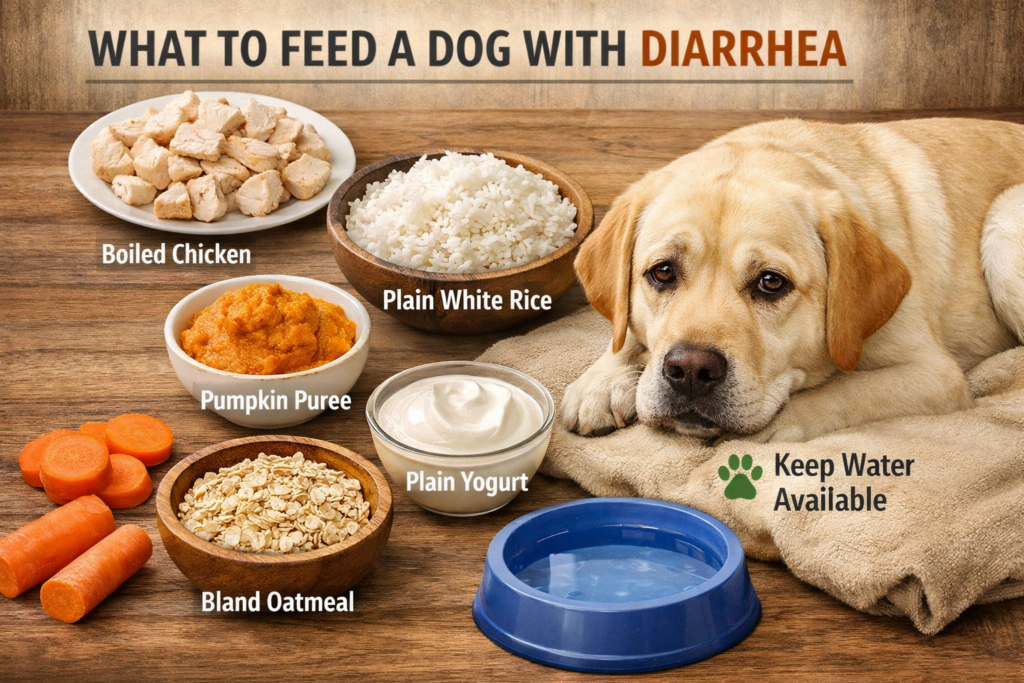
If your dog has digestive issues, see What to Feed a Dog With Diarrhea.
5. Lack of Exercise
Dogs that do not get enough activity may lose interest in food.
Daily movement helps stimulate appetite. Refer to How Long Should You Walk Your Dog Each Day.
6. Illness or Health Conditions
Sometimes, dog loss of appetite can indicate an underlying medical issue.
Possible causes include:
- infections
- dental problems
- internal conditions
If symptoms persist, consult a veterinarian. Appetite issues are often linked to diet—this beginner guide to dog nutrition and feeding habits can help you understand the bigger picture.
Dog Not Eating but Drinking Water: What It Means
If your dog is not eating but drinking water, it may indicate a mild issue.
Possible reasons include:
- temporary stomach upset
- stress or environmental changes
- recent food switch
However, if this continues for more than 24–48 hours, it may require attention.
Hydration is still important. Refer to How Much Water Should a Dog Drink Each Day.
When Should You Worry?
While occasional appetite loss is normal, some signs require immediate attention.
Watch for:
- refusal to eat for more than 48 hours
- lethargy or weakness
- vomiting or diarrhea
- weight loss
- unusual behavior
These may indicate a more serious condition. You should also refer to the post about low energy and excessive sleeping in dogs.
What to Do If Your Dog Is Not Eating
If you’re wondering what to do if your dog is not eating, follow these practical steps.
1. Check for Recent Changes
Think about any recent changes in:
- diet
- environment
- routine
Dogs respond strongly to changes.
2. Maintain a Consistent Feeding Schedule
Consistency helps regulate appetite.
Follow a structured plan like Dog Feeding Schedule by Age.
3. Reduce Treats
Avoid giving too many treats between meals.
For proper portion control, refer to Healthy Dog Treats: How Often and How Much to Give.
4. Encourage Physical Activity
Exercise stimulates hunger.
Daily walks and playtime improve appetite.
5. Keep Meals Simple
Offer fresh, familiar food.
Avoid mixing too many different foods.
6. Monitor Hydration
Even if your dog is not eating, ensure they are drinking water.
Proper hydration supports recovery.
How Routine Affects Your Dog’s Appetite
Dogs thrive on routine.
Irregular schedules can lead to reduced appetite.
A balanced routine includes:
- feeding
- exercise
- rest
Learn more in How to Build a Daily Routine for Your Dog.
How Nutrition Impacts Appetite
Proper nutrition plays a key role in maintaining appetite.
Feeding too little or too much can disrupt eating habits.
Balanced portion sizes are important. Refer to Dog Care: Complete Guide for Everyday Owners for a complete approach.
Common Mistakes Dog Owners Make
Avoid these mistakes:
- frequently changing food
- overfeeding treats
- ignoring early signs
- inconsistent feeding times
- forcing the dog to eat
These can worsen appetite issues.
Final Thoughts
Understanding why your dog is not eating food helps you respond appropriately and prevent further issues. While occasional appetite loss is common, ongoing dog loss of appetite should not be ignored.
If your dog is not eating but drinking water, monitor closely and ensure hydration. Knowing what to do if your dog is not eating allows you to take simple steps before the issue becomes serious.
A consistent routine, proper nutrition, and regular exercise play a key role in maintaining a healthy appetite.
Disclaimer
This article is for informational purposes only and does not replace professional veterinary advice.
Frequently Asked Questions
This can happen due to temporary stress, minor digestive issues, or routine changes.
If it lasts more than 1–2 days, it should be evaluated.
Monitor behavior and consult a veterinarian if symptoms persist.
Yes. Reduced activity can lower appetite.
About the Author
Hi, I’m Sonuraj, the creator of PetInfoGuide.com.
I’m a passionate dog owner and pet care enthusiast who has spent years learning about dog health, nutrition, and behavior through hands-on experience and continuous research. Like many pet owners, I started my journey with simple questions—what to feed, how to train, and how to keep my dog healthy. Over time, this curiosity turned into a deep interest in understanding what really works for everyday dog care.
PetInfoGuide.com was created to simplify dog care for beginners. The goal is to provide clear, practical, and easy-to-follow information that helps dog owners make better decisions for their pets. Every article is written with a focus on real-life situations—feeding routines, common health issues, training basics, and daily care.
I regularly research trusted sources, veterinary recommendations, and widely accepted pet care practices to ensure the information shared is accurate and helpful. While this site does not replace professional veterinary advice, it is designed to guide dog owners in understanding common problems and knowing when to seek expert help.
What you can expect from my content:
- Simple, beginner-friendly explanations
- Practical solutions you can apply immediately
- Structured guides based on real pet care needs
- Honest and research-backed information
As a pet owner myself, I understand the responsibility that comes with caring for a dog. This website is built to support you in that journey—whether you are raising a puppy or caring for an adult dog.
If you have questions or suggestions, feel free to reach out through the Contact page.
This content is for informational purposes only and is not intended to replace professional veterinary advice, diagnosis, or treatment. Always consult a qualified veterinarian or animal care professional regarding your pet’s health, routine, or dietary needs.
Pingback: Dog Health Guide: Symptoms, Causes & When to Worry (2026)
Pingback: Can Dogs Eat Eggs Every Day? What Most Owners Don’t Realize