Can Dogs Eat Rice? Benefits, Risks
Many dog owners wonder if it’s safe to give rice to their pets. The good news is that rice can be a healthy addition to your dog’s diet when used correctly.
It’s often recommended during stomach issues because it is easy to digest and gentle on the digestive system. However, it’s important to understand when to use it, how much to feed, and when to avoid it.
In this guide, you’ll learn everything you need to know in simple terms.
Is Rice Safe for Dogs?
Yes, plain cooked rice is safe for dogs.
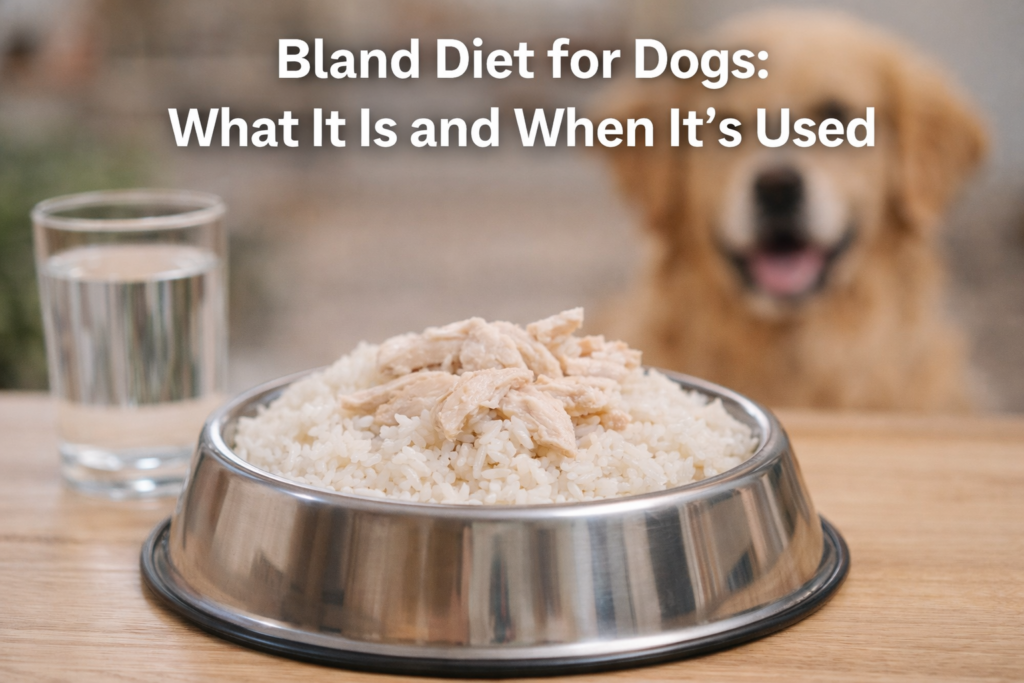
It is commonly used in dog diets, especially when they are dealing with mild digestive problems. White rice, in particular, is easy on the stomach and helps support recovery.
Why Rice Is Sometimes Good for Dogs
Rice is not just safe—it can also be helpful in certain situations.
Benefits include:
- easy digestion
- quick source of energy
- gentle on the stomach
- useful during temporary illness
Because of these qualities, it is often included in simple diets for dogs that are not feeling well. Rice can be useful in certain situations, but it should be part of a balanced plan—this practical dog diet guide for beginners explains how to manage that properly.
If your dog has stomach issues, rice is often recommended for upset stomach. See What to Feed a Dog With Diarrhea
White Rice vs Brown Rice
Both types of rice can be given to dogs, but they are not the same.
White rice:
- easier to digest
- best during illness
- commonly recommended
Brown rice:
- contains more fiber
- slightly harder to digest
- better suited for healthy dogs
If your dog has an upset stomach, white rice is usually the better choice.
How Much Rice Should You Feed?
Rice should only be a small part of your dog’s meal, not the main food.
Simple guideline:
- mix a small portion of rice with regular dog food
- keep rice around 10–20% of the total meal
Example:
- small dog → a few tablespoons
- medium dog → about ¼ to ½ cup
- large dog → up to 1 cup
Portion control is important to avoid overfeeding. For proper portions, check our dog feeding chart by weight article.
When Should You Give Rice?
Rice is most useful in certain situations.
During Digestive Issues
If your dog has loose stools or mild stomach upset, rice can help.
It works by:
- firming stools
- calming digestion
- providing light nutrition
It is often combined with plain boiled chicken for better results.
When Your Dog Refuses Food
Sometimes dogs lose interest in their regular meals. Offering something simple like rice may help them start eating again.
If this happens often, it’s important to understand the reason behind the behavior.
During Diet Changes
When switching to a new type of food, digestion can be sensitive. Adding small amounts of rice temporarily may help make the transition smoother. When changing food, follow our Food transition guide to avoid problems.
Can Dogs Eat Rice Every Day?
Rice can be included occasionally, but it should not be fed in large amounts every day.
Too much rice may lead to:
- weight gain
- lack of balanced nutrients
- reduced protein intake
A well-balanced diet is always the priority. Younger dogs have different dietary needs—this guide on how much puppies should eat each day helps you balance meals properly.
Are There Any Risks?
Rice is generally safe, but there are a few things to avoid.
Do not:
- add salt, spices, or oil
- feed uncooked rice
- replace regular meals with rice
- overfeed
Keeping it plain and simple is the safest approach.
How to Prepare Rice for Your Dog
Preparing rice for your dog is easy.
Steps:
- cook the rice until soft
- do not add seasoning
- allow it to cool
- serve in small portions
You can mix it with your dog’s usual food if needed.
How Rice Fits Into a Healthy Routine
Rice is only one small part of your dog’s overall care.
A healthy routine includes:
- regular feeding
- clean drinking water. Hydration supports digestion. See How Much Water Should a Dog Drink Each Day.
- daily exercise
- consistent schedule
When these elements are balanced, your dog is more likely to stay healthy and active.
Common Mistakes to Avoid
Many owners make simple mistakes when feeding rice.
Avoid:
- giving too much
- using it too often
- adding seasoning
- relying on it instead of proper food
Moderation is key.
Final Thoughts
Rice can be a helpful and safe addition to your dog’s diet when used properly. It is especially useful during temporary stomach issues or when your dog needs something light and easy to digest.
The key is to keep portions small, avoid overuse, and always focus on a balanced diet. For complete care guidance, see Dog Care: Complete Guide for Everyday Owners.
Disclaimer
This article is for informational purposes only and does not replace professional veterinary advice.
Yes, plain cooked rice is safe when given in moderation.
Yes, it is often used as a gentle food during mild digestive issues.
No, it should only be a small part of a balanced diet.
Occasionally is fine, but not as a daily main meal.

About the Author
Hi, I’m Sonuraj, the creator of PetInfoGuide.com.
I’m a passionate dog owner and pet care enthusiast who has spent years learning about dog health, nutrition, and behavior through hands-on experience and continuous research. Like many pet owners, I started my journey with simple questions—what to feed, how to train, and how to keep my dog healthy. Over time, this curiosity turned into a deep interest in understanding what really works for everyday dog care.
PetInfoGuide.com was created to simplify dog care for beginners. The goal is to provide clear, practical, and easy-to-follow information that helps dog owners make better decisions for their pets. Every article is written with a focus on real-life situations—feeding routines, common health issues, training basics, and daily care.
I regularly research trusted sources, veterinary recommendations, and widely accepted pet care practices to ensure the information shared is accurate and helpful. While this site does not replace professional veterinary advice, it is designed to guide dog owners in understanding common problems and knowing when to seek expert help.
What you can expect from my content:
- Simple, beginner-friendly explanations
- Practical solutions you can apply immediately
- Structured guides based on real pet care needs
- Honest and research-backed information
As a pet owner myself, I understand the responsibility that comes with caring for a dog. This website is built to support you in that journey—whether you are raising a puppy or caring for an adult dog.
If you have questions or suggestions, feel free to reach out through the Contact page.
This content is for informational purposes only and is not intended to replace professional veterinary advice, diagnosis, or treatment. Always consult a qualified veterinarian or animal care professional regarding your pet’s health, routine, or dietary needs.