
Dog Nutrition Guide for Beginners: What to Feed, How Much & When (2026)
Feeding your dog properly is one of the most important parts of keeping them healthy. But for many owners, it can feel confusing.
How much food is enough?
What should you feed?
How often should your dog eat?
How Much Should a Puppy Eat Per Day?
If you’ve asked these questions, you’re not alone. This Dog Nutrition Guide will help you understand dog nutrition in simple terms. By the end, you’ll know how to build a balanced diet, avoid common mistakes, and keep your dog healthy at every stage of life. Healthy skin and coat condition are closely linked to grooming, and this complete coat care and grooming routine for dogs explains how to maintain both.
What Should You Feed Your Dog?
Dogs need a balanced diet that includes:
- protein (for muscle growth)
- fats (for energy)
- carbohydrates (for digestion and energy)
- vitamins and minerals
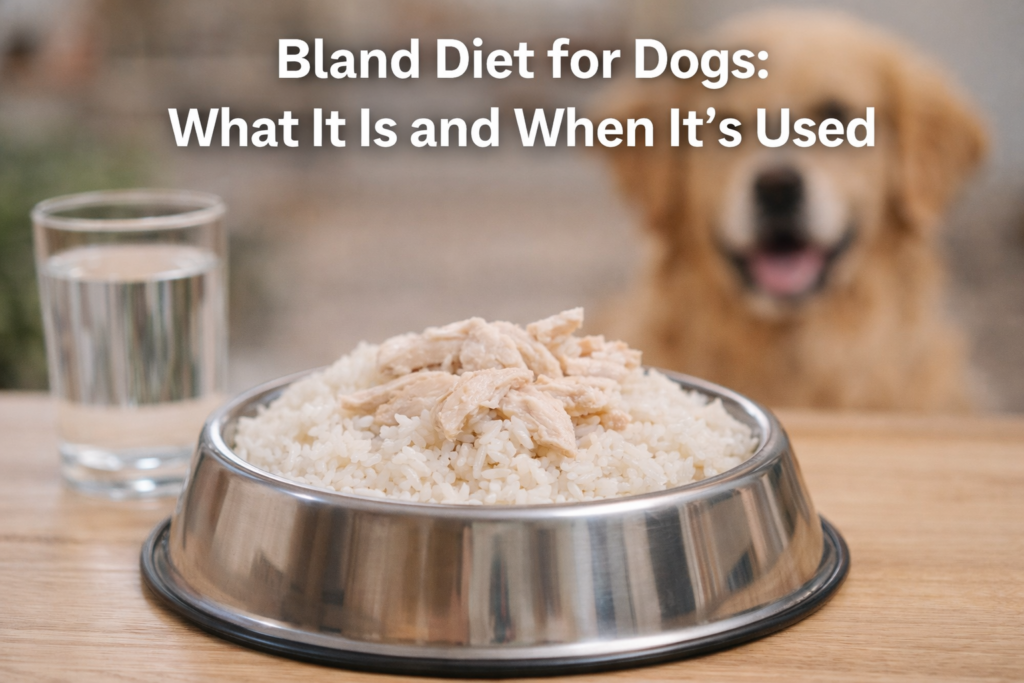
Most dog owners rely on commercial dog food, which is designed to meet these needs. However, you can also include simple foods like rice or boiled chicken in certain situations. If you’re unsure about safe food choices, understanding which foods are safe for dogs and how to include them properly is an important first step.
How Much Food Does Your Dog or puppy Need?
Feeding the right amount is just as important as choosing the right food. Overfeeding can lead to weight gain, while underfeeding can affect your dog’s energy and health.
The correct portion depends on:
- weight
- age
- activity level
- breed
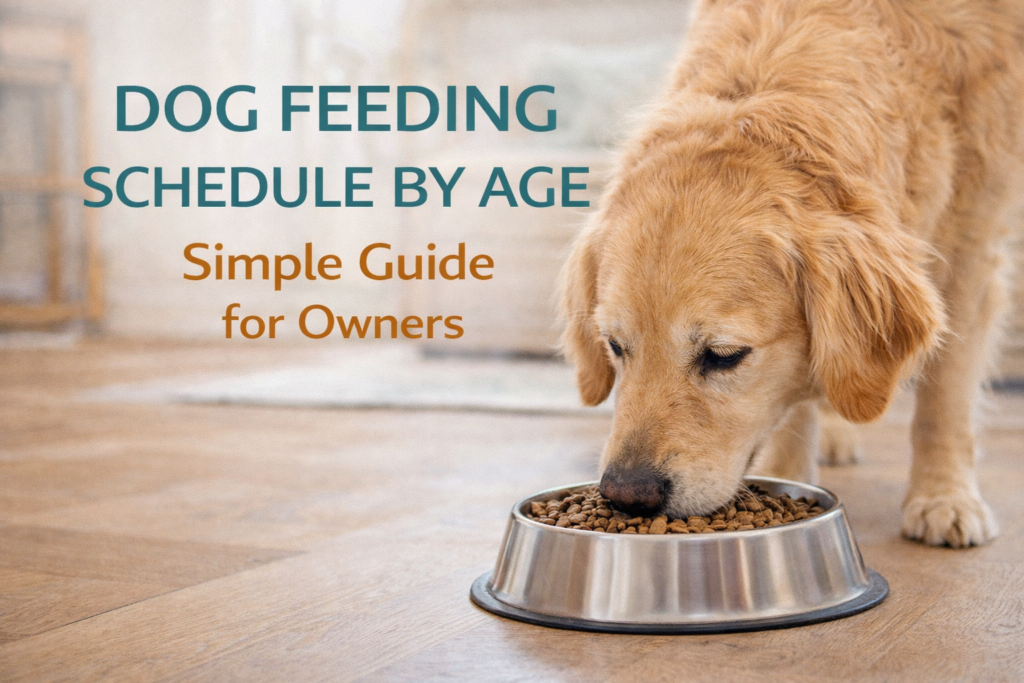
Instead of guessing, follow a portion guide based on your dog’s weight to ensure your dog gets the right amount daily of food—they also need a consistent schedule.
Puppies
- 3–4 meals per day
- small portions
- frequent feeding supports growth
Adult Dogs
- 2 meals per day
- consistent timing
- balanced portions
Senior Dogs
- 1–2 meals per day
- lighter meals
- easier to digest food
A structured daily feeding schedule for dogs helps maintain digestion and energy levels.
Ensuring your puppy receives the correct nutritional balance is essential for healthy development. Both overfeeding and underfeeding can create long-term growth challenges, making precision key during these formative months. You can simple follow my guide on How Much Should a Puppy Eat Per Day? (Simple Feeding Chart)
Can Dogs Eat Human Food?
Some human foods are safe for dogs, while others are not.
Safe Options (in moderation)
- plain rice
- boiled chicken
- certain vegetables
For example, many owners ask about rice.
Rice can be useful, especially during digestive issues. If you’re considering this, it’s important to understand when rice can be included safely in a dog’s diet and how much to give.
Foods to Avoid
- chocolate
- onions
- grapes
- processed or spicy foods
Always keep meals simple and avoid seasoning.
What to Feed a Dog During Illness
Dogs sometimes lose appetite or experience stomach problems.
In such cases, diet plays a key role in recovery.
When Your Dog Has Diarrhea
Simple foods like:
- plain rice
- boiled chicken
can help calm the stomach.
You can follow a simple diet plan for dogs with digestive issues to support recovery.
When Your Dog Is Not Eating
Loss of appetite can happen due to:
- stress
- illness
- changes in routine
If your dog refuses food, it’s important to understand the cause and take the right steps. A guide to managing appetite loss in dogs can help you respond correctly.
Importance of Water Intake
Food alone is not enough—hydration is just as important.
Dogs need access to clean water at all times.
Water helps with:
- digestion
- temperature regulation
- overall health
To ensure proper hydration, follow daily water intake guidelines for dogs based on size and activity.
How to Transition Dog Food Safely
Changing your dog’s food suddenly can cause digestive issues.
Always transition gradually.
Simple Transition Plan
- Day 1–2 → 75% old food + 25% new
- Day 3–4 → 50% old + 50% new
- Day 5–6 → 25% old + 75% new
- Day 7 → 100% new food
This method helps your dog adjust without discomfort.
To avoid problems, follow a step-by-step method for switching your dog’s food safely.
How Nutrition Affects Behavior
Your dog’s diet directly impacts:
- energy levels
- mood
- focus
A poorly balanced diet may lead to:
- hyperactivity
- lack of interest
- difficulty during training
Feeding your dog properly supports both physical and mental health.
Common Dog Feeding Mistakes
Many owners make simple mistakes that affect their dog’s health.
Overfeeding
Giving too much food can lead to obesity.
Too Many Treats
Treats should only be a small part of the diet. You can check this guide to understand how often you should give treats and are healthy?
Irregular Feeding Schedule
Feeding at different times every day can confuse your dog’s routine.
Sudden Food Changes
Switching food too quickly can upset digestion.
Lack of Variety in Nutrients
Dogs need a balanced diet, not just one type of food.
Sample Daily Feeding Routine
Here is a simple example:
Morning
- main meal
- fresh water
Afternoon
- light snack (optional)
Evening
- second meal
Throughout the Day
- access to clean water
This routine helps maintain consistency and supports digestion. You can simple follow one of my blog posts that I have written about Dog Feeding Chart by Weight: How Much Food Your Dog Needs Daily
How to Know If Your Dog Is Eating Properly
Watch for these signs:
Healthy Signs
- steady weight
- good energy levels
- shiny coat
- normal digestion
Warning Signs
- sudden weight change
- loss of appetite
- low energy
- digestive problems
If you notice issues, review your feeding routine and diet.
Final Thoughts
Feeding your dog correctly doesn’t need to be complicated. By focusing on balanced nutrition, proper portions, and a consistent routine, you can support your dog’s long-term health.
Start with the basics, avoid common mistakes, and adjust based on your dog’s needs. Over time, you’ll develop a routine that works best for both you and your dog.
Frequently Asked Questions
It depends on weight, age, and activity level. Following a portion-based guide is the best approach.
Rice can be included occasionally but should not replace a balanced diet.
Most adult dogs do well with two meals per day.
Check for changes in routine, health, or diet and monitor closely.

About the Author
Hi, I’m Sonuraj, the creator of PetInfoGuide.com.
I’m a passionate dog owner and pet care enthusiast who has spent years learning about dog health, nutrition, and behavior through hands-on experience and continuous research. Like many pet owners, I started my journey with simple questions—what to feed, how to train, and how to keep my dog healthy. Over time, this curiosity turned into a deep interest in understanding what really works for everyday dog care.
PetInfoGuide.com was created to simplify dog care for beginners. The goal is to provide clear, practical, and easy-to-follow information that helps dog owners make better decisions for their pets. Every article is written with a focus on real-life situations—feeding routines, common health issues, training basics, and daily care.
I regularly research trusted sources, veterinary recommendations, and widely accepted pet care practices to ensure the information shared is accurate and helpful. While this site does not replace professional veterinary advice, it is designed to guide dog owners in understanding common problems and knowing when to seek expert help.
What you can expect from my content:
- Simple, beginner-friendly explanations
- Practical solutions you can apply immediately
- Structured guides based on real pet care needs
- Honest and research-backed information
As a pet owner myself, I understand the responsibility that comes with caring for a dog. This website is built to support you in that journey—whether you are raising a puppy or caring for an adult dog.
If you have questions or suggestions, feel free to reach out through the Contact page.
This content is for informational purposes only and is not intended to replace professional veterinary advice, diagnosis, or treatment. Always consult a qualified veterinarian or animal care professional regarding your pet’s health, routine, or dietary needs.
Pingback: How Much Should a Puppy Eat Per Day? - PetInfoGuide
Pingback: Can Dogs Eat Rice? Benefits, Risks - PetInfoGuide
Pingback: Can Dogs Eat Eggs Every Day? What Most Owners Don’t Realize
Pingback: Why Is My Cat Throwing Up? Causes, Symptoms & When to Worry (2026) - PetInfoGuide
Pingback: Thinking About Getting a Shih Tzu? 18 Things I Wish I Knew First (2026)