Dog Grooming Guide for Beginners: Complete Step-by-Step Care Routine (2026)
Keeping your dog clean and healthy is one of the most important parts of responsible pet ownership. In my experience, regular grooming does much more than improve appearance — it helps prevent matting, skin infections, bad odor, parasites, and many common skin and coat problems before they become serious.
Many dog owners also notice that consistent grooming routines help dogs become calmer, more comfortable, and easier to handle over time. Exercise also supports skin and coat health, which is explained further in this daily activity and exercise guide for dogs.
Whether you have a puppy or an adult dog, this complete beginner-friendly dog grooming guide explains everything you need to know about bathing, brushing, nail trimming, ear cleaning, dental care, coat maintenance, and hygiene routines.
This guide is designed for all dog breeds and coat types.
Why Dog Grooming Is Important
Regular grooming supports your dog’s overall health and comfort.
A proper grooming routine helps:
- remove dirt and loose fur
- reduce shedding
- prevent painful mats and tangles
- improve coat condition
- detect skin problems early
- maintain hygiene and comfort
Dogs that are not groomed consistently may develop:
- itchy skin
- matted fur
- unpleasant odor
- overgrown nails
- ear infections
In many cases, regular grooming also helps strengthen trust between dogs and owners because dogs become more comfortable with handling.
Basic Dog Grooming Supplies You Need
Before starting, gather the right grooming tools.
1. Dog Brush or Comb
Different coat types require different brushes.
Examples:
- slicker brush → long-haired dogs
- bristle brush → short-haired dogs
- undercoat rake → double-coated breeds
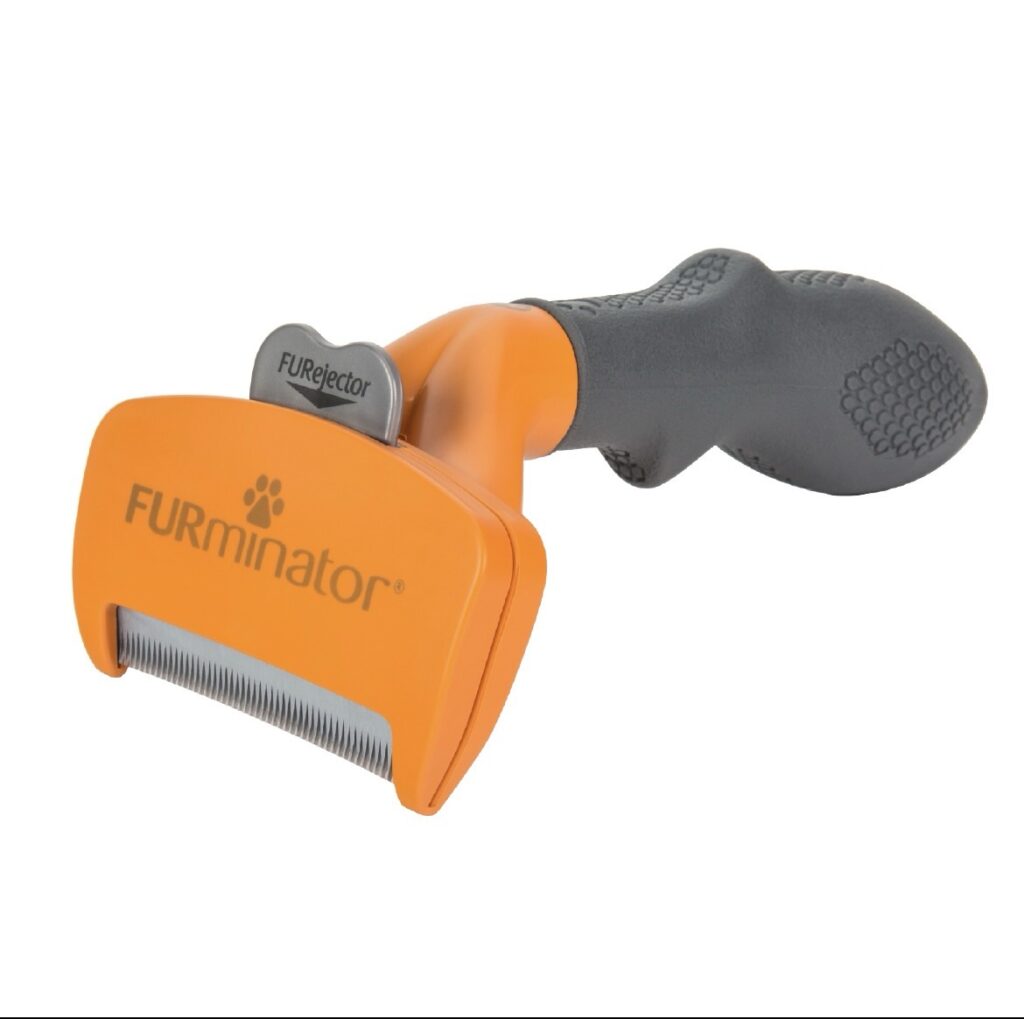
- de-shedding tools → heavy shedders
2. Dog Shampoo
Always use dog-safe shampoo.
Human shampoos can irritate a dog’s skin because dogs have different skin pH levels.
3. Nail Clippers or Grinder
Choose nail trimmers designed specifically for dogs.
4. Dog Toothbrush and Toothpaste
Never use human toothpaste for dogs.
5. Ear Cleaning Solution
Use a veterinarian-approved dog ear cleaner.
6. Towels and Dryer
Microfiber towels work well for drying dogs quickly after baths.
Understanding Different Dog Coat Types
Every coat type requires slightly different grooming care.
Short-Haired Dogs
Examples:
- Beagle
- Boxer
- Labrador Retriever
Grooming Needs:
- weekly brushing
- occasional bathing
- light shedding control
Long-Haired Dogs
Examples:
- Shih Tzu
- Golden Retriever
- Afghan Hound
Grooming Needs:
- daily brushing
- regular trimming
- mat prevention
Double-Coated Dogs
Examples:
- Husky
- German Shepherd
- Pomeranian
Grooming Needs:
- undercoat maintenance
- seasonal brushing
- controlled shedding care
Double-coated dogs should generally not be shaved unnecessarily.
Curly-Coated Dogs
Examples:
- Poodle
- Labradoodle
Grooming Needs:
- frequent brushing
- regular professional grooming
- mat prevention
How Often Should You Groom Your Dog?
The ideal grooming routine depends on:
- coat type
- activity level
- environment
- skin condition
Dogs that spend more time outdoors often require more frequent cleaning and brushing.
If you want a more detailed breakdown, this coat-specific dog bathing and grooming schedule guide explains how routines vary based on breed and lifestyle.
General Dog Grooming Schedule
| Grooming Task | Recommended Frequency |
|---|---|
| Brushing | Daily to weekly |
| Bathing | Every 4–8 weeks |
| Nail trimming | Every 3–4 weeks |
| Ear cleaning | Weekly |
| Teeth brushing | Daily |
| Hair trimming | Every 6–8 weeks |
Step-by-Step Dog Grooming Routine
Step 1: Brush Your Dog Properly
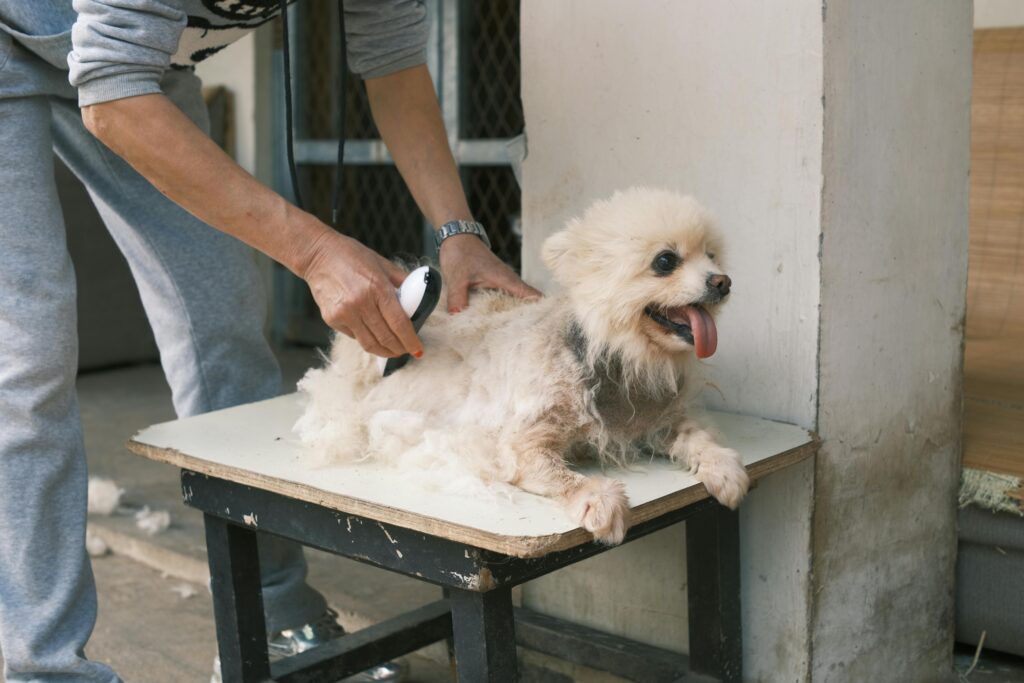
Brushing is one of the most important parts of dog grooming.
In my experience, regular brushing keeps the coat healthier while also helping detect skin problems early.
Benefits of Brushing
- removes loose fur
- prevents mats and tangles
- spreads natural oils
- improves skin health
Brushing Tips
- brush in the direction of hair growth
- use gentle strokes
- start slowly with nervous dogs
- reward calm behavior
Long-haired dogs may require daily brushing.
Step 2: Bathe Your Dog Safely
Bathing helps remove dirt, allergens, and odors while keeping the coat cleaner and healthier.
Many owners also notice that a proper bathing routine improves coat softness and reduces itching.
If you need more detailed guidance, this complete guide to how often dogs should be bathed based on coat type and lifestyle explains ideal bathing frequency.
How to Bathe a Dog
- Brush before bathing
- Use lukewarm water
- Wet the coat completely
- Apply dog shampoo gently
- Avoid eyes and ears
- Rinse thoroughly
- Dry using towels or low heat
Common Bathing Mistakes
- bathing too often
- using hot water
- leaving shampoo residue
- using human products
Over-bathing may dry out the skin and remove natural oils.
Step 3: Trim Nails Carefully
Overgrown nails can cause discomfort and affect walking posture.
Signs Nails Are Too Long
- clicking sounds on floors
- difficulty walking
- nails touching the ground
Nail Trimming Tips
- trim small amounts at a time
- avoid cutting the quick
- reward your dog afterward
If your dog has black nails, trim slowly and carefully.
Step 4: Clean Your Dog’s Ears
Dirty ears may lead to infections and discomfort.
Signs Ears Need Cleaning
- bad odor
- redness
- head shaking
- excessive scratching
Ear Cleaning Tips
- use dog-safe cleaner
- wipe gently using cotton pads
- never insert cotton swabs deep into the ear canal
If irritation continues, seek veterinary advice.
Step 5: Maintain Dental Hygiene
Dental care is often overlooked, but it plays a major role in overall health.
Poor oral hygiene may contribute to:
- gum disease
- tooth loss
- bad breath
How to Brush Dog Teeth
- use dog toothpaste
- brush gently in circular motions
- focus on outer teeth surfaces
- start slowly with puppies
Daily brushing is ideal.
How to Reduce Dog Shedding
Most dogs shed naturally, but excessive shedding may indicate:
- poor diet
- stress
- seasonal coat changes
- skin problems
Ways to Reduce Shedding
- regular brushing . Complete Guide of Furminator and its Benefits
- balanced nutrition
- proper hydration
- routine bathing
A healthy diet also supports skin and coat condition. Following a complete dog nutrition and feeding guide for healthy skin and coat support may help improve coat quality.
Seasonal Dog Grooming Tips
Grooming needs may change throughout the year.
Summer Grooming Tips
- brush more frequently
- manage outdoor dirt
- prevent overheating
- maintain hydration
Winter Grooming Tips
- avoid excessive bathing
- protect dry skin
- clean paws after walks
Puppy Grooming Tips
Introducing grooming early helps puppies adapt more comfortably as adults.
Puppy Grooming Checklist
- short grooming sessions
- gentle brushing
- positive reinforcement
- gradual tool introduction
A beginner-friendly puppy care and routine guide can also help you build healthy habits early.
Grooming Anxious Dogs
Some dogs naturally feel nervous around grooming tools, water, or dryers.
How to Calm Nervous Dogs During Grooming
- keep sessions short
- use treats and praise
- introduce tools gradually
- stay calm and patient
A step-by-step dog training guide for calmer grooming behavior can make grooming much easier over time.
Professional Grooming vs Home Grooming
Both options have advantages.
Home Grooming Benefits
- saves money
- builds trust
- convenient for routine care
Professional Grooming Benefits
- expert trimming
- specialized equipment
- useful for thick or curly coats
Some breeds benefit from professional grooming every few months.
Common Dog Grooming Mistakes
Many beginners accidentally create problems through inconsistent routines.
Mistakes to Avoid
- using human shampoo
- skipping brushing
- cutting nails too short
- ignoring dental care
- over-bathing
Consistency matters more than occasional deep grooming sessions.
Signs Your Dog Needs Immediate Grooming
Watch for:
- strong odor
- greasy coat
- severe matting
- long nails
- dirty ears
- excessive scratching
Ignoring these signs may lead to infections or discomfort.
Frequently Asked Questions
How often should I bathe my dog?
Most dogs need baths every 4–8 weeks depending on coat type and activity level.
Can I use human shampoo on dogs?
No. Human shampoo may irritate a dog’s skin.
Is professional grooming necessary?
Some long-haired and curly-coated breeds benefit greatly from professional grooming.
How do I reduce dog shedding?
Regular brushing, proper nutrition, hydration, and routine bathing help reduce excessive shedding.
Final Thoughts
Regular grooming plays an important role in your dog’s comfort, hygiene, and long-term health.
Even simple habits like brushing, nail trimming, and routine bathing can make a noticeable difference in your dog’s skin condition, behavior, and overall well-being.
Start slowly, stay consistent, and build a grooming routine that fits your dog’s coat type and lifestyle.
Over time, grooming becomes easier for both you and your dog

About the Author
Hi, I’m Sonuraj, the creator of PetInfoGuide.com.
I’m a passionate dog owner and pet care enthusiast who has spent years learning about dog health, nutrition, and behavior through hands-on experience and continuous research. Like many pet owners, I started my journey with simple questions—what to feed, how to train, and how to keep my dog healthy. Over time, this curiosity turned into a deep interest in understanding what really works for everyday dog care.
PetInfoGuide.com was created to simplify dog care for beginners. The goal is to provide clear, practical, and easy-to-follow information that helps dog owners make better decisions for their pets. Every article is written with a focus on real-life situations—feeding routines, common health issues, training basics, and daily care.
I regularly research trusted sources, veterinary recommendations, and widely accepted pet care practices to ensure the information shared is accurate and helpful. While this site does not replace professional veterinary advice, it is designed to guide dog owners in understanding common problems and knowing when to seek expert help.
What you can expect from my content:
- Simple, beginner-friendly explanations
- Practical solutions you can apply immediately
- Structured guides based on real pet care needs
- Honest and research-backed information
As a pet owner myself, I understand the responsibility that comes with caring for a dog. This website is built to support you in that journey—whether you are raising a puppy or caring for an adult dog.
If you have questions or suggestions, feel free to reach out through the Contact page.
This content is for informational purposes only and is not intended to replace professional veterinary advice, diagnosis, or treatment. Always consult a qualified veterinarian or animal care professional regarding your pet’s health, routine, or dietary needs.