
Bringing a puppy home is exciting, but it also comes with important responsibilities. One of the most critical early steps in raising a confident and well-adjusted dog is proper socialization.
Learning how to socialize a puppy safely helps prevent fear-based behaviors later in life. Moreover, early positive experiences shape how a puppy reacts to people, environments, and other animals.
Socialization does not mean overwhelming your puppy. Instead, it means gradually introducing new experiences in a calm and controlled way.
What Is Puppy Socialization?
Puppy socialization is the process of safely introducing a young dog to new people, places, sounds, and situations in a positive manner.
The goal is to help puppies:
Feel comfortable in different environments
Respond calmly to unfamiliar situations
Develop confidence
Reduce anxiety or fear responses
Socialization builds emotional stability, not just obedience.
Why Socialization Is Important for Puppies
Early experiences influence long-term behavior.
Proper socialization can:
Reduce fear of strangers
Improve comfort around other dogs
Decrease reactivity
Support smoother training
Build overall confidence
Without gradual exposure, puppies may become overly cautious or reactive in new situations.
Socialization supports the broader structure explained in Dog Care: Complete Guide for Everyday Owners, where routine and exposure go hand in hand.
When Should You Start Socializing a Puppy?
The early developmental stage is especially important.
Many trainers recommend beginning gentle socialization as soon as your puppy settles into its new home.
In general:
Start early but go slowly
Focus on positive, calm exposure
Avoid overwhelming environments
Even older puppies can benefit from structured exposure, though earlier introductions often build stronger confidence.
How to Socialize a Puppy Safely (Step-by-Step Guide)
The key to safe socialization is gradual exposure and positive reinforcement.
1. Start at Home
Begin with familiar surroundings.
Introduce:
Different household sounds
New rooms
Gentle handling
Keep sessions short and calm.
2. Introduce New People Gradually
Invite friends or family members to interact calmly.
Encourage:
Gentle approaches
Soft voices
Positive interactions
Avoid forcing contact if your puppy seems hesitant.
3. Controlled Exposure to Other Dogs
If introducing your puppy to other dogs:
Choose calm, vaccinated dogs. Health preparation is essential. See Puppy Vaccination Schedule.
Keep interactions supervised
Allow natural sniffing
Separate if play becomes too intense
Positive first experiences matter.
4. Positive Outdoor Experiences
Short outdoor trips help puppies adjust to:
Traffic sounds
Passing pedestrians
Different surfaces
For walking structure, refer to Dog Walking Tips for Beginners: How to Build a Healthy Routine.
Keep early walks brief and positive.
5. Keep Sessions Short
Puppies tire quickly.
Limit exposure sessions to short periods and watch for signs of stress, such as:
Excessive yawning
Avoidance
Cowering
End experiences on a positive note.
Signs of Healthy Puppy Socialization
A well-socialized puppy often:
Shows curiosity
Recovers quickly from mild surprises
Approaches new environments calmly
Responds to cues even with mild distractions
Confidence grows gradually. Building a consistent routine also includes rest time. Our Crate Training Guide for Beginners explains how to introduce a crate comfortably.
Common Puppy Socialization Mistakes to Avoid
Even well-meaning owners can make mistakes.
Avoid:
Forcing interactions
Overexposure in busy environments
Ignoring stress signals
Expecting immediate confidence
Skipping consistency
Socialization should feel safe, not overwhelming.
How Socialization Connects to Training and Routine
Socialization supports obedience and daily structure.
For example:
Exposure improves focus during training
Calm outdoor experiences help leash behavior
Confidence supports learning new commands
If you have not yet built foundational commands, start with Dog Training Basics: Simple Commands Every Dog Should Learn.
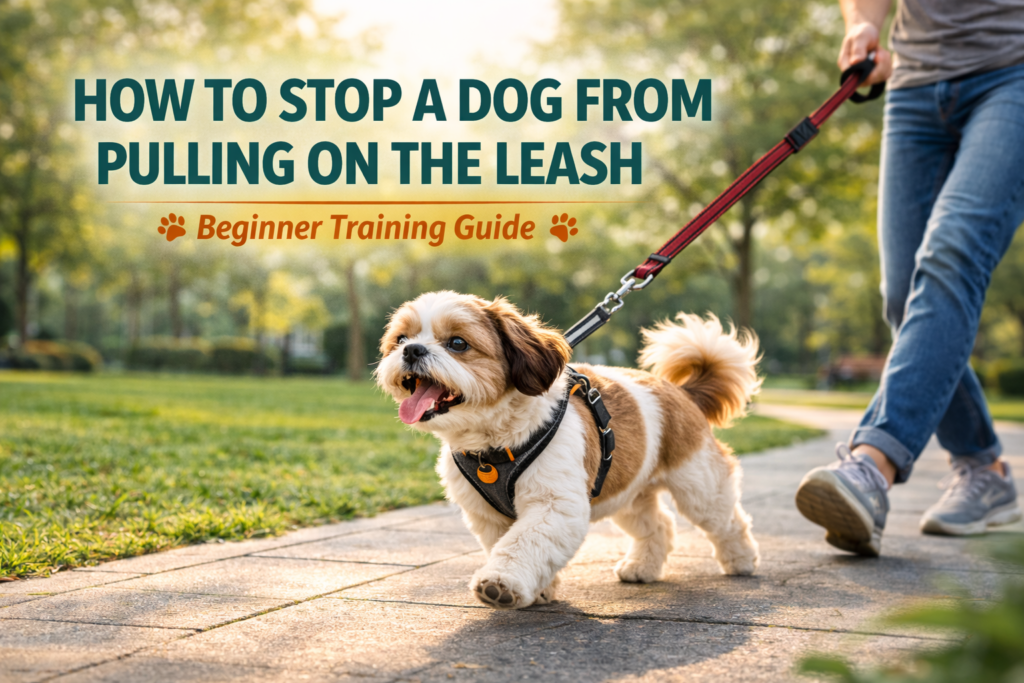
Additionally, leash behavior training such as How to Stop a Dog from Pulling on the Leash becomes easier when puppies feel comfortable in their surroundings.
Socialization, training, and routine all work together. Socialization is an important step, but it’s only one part of training. Follow this dog training guide for beginners to cover everything your puppy needs.
Frequently Asked Questions
What is puppy socialization?
Puppy socialization is the gradual introduction of new experiences in a positive and controlled way to build confidence.
How do I socialize my puppy safely?
Introduce new people, environments, and sounds gradually, while keeping sessions short and positive.
Is it too late to socialize an older puppy?
While early exposure is ideal, older puppies can still benefit from structured and gradual experiences.
How long should socialization sessions last?
Short sessions of 5–15 minutes are often effective for young puppies.
Final Thoughts
Understanding how to socialize a puppy safely helps create a confident and balanced dog. Rather than overwhelming your puppy, focus on calm exposure, positive reinforcement, and consistent routine.
When combined with training, walking structure, and daily care, socialization becomes part of a complete foundation for long-term behavior.
Small early efforts lead to lasting confidence.
Disclaimer
This article is for general informational purposes only and does not replace professional behavioral consultation when necessary.

About the Author
Hi, I’m Sonuraj, the creator of PetInfoGuide.com.
I’m a passionate dog owner and pet care enthusiast who has spent years learning about dog health, nutrition, and behavior through hands-on experience and continuous research. Like many pet owners, I started my journey with simple questions—what to feed, how to train, and how to keep my dog healthy. Over time, this curiosity turned into a deep interest in understanding what really works for everyday dog care.
PetInfoGuide.com was created to simplify dog care for beginners. The goal is to provide clear, practical, and easy-to-follow information that helps dog owners make better decisions for their pets. Every article is written with a focus on real-life situations—feeding routines, common health issues, training basics, and daily care.
I regularly research trusted sources, veterinary recommendations, and widely accepted pet care practices to ensure the information shared is accurate and helpful. While this site does not replace professional veterinary advice, it is designed to guide dog owners in understanding common problems and knowing when to seek expert help.
What you can expect from my content:
- Simple, beginner-friendly explanations
- Practical solutions you can apply immediately
- Structured guides based on real pet care needs
- Honest and research-backed information
As a pet owner myself, I understand the responsibility that comes with caring for a dog. This website is built to support you in that journey—whether you are raising a puppy or caring for an adult dog.
If you have questions or suggestions, feel free to reach out through the Contact page.
This content is for informational purposes only and is not intended to replace professional veterinary advice, diagnosis, or treatment. Always consult a qualified veterinarian or animal care professional regarding your pet’s health, routine, or dietary needs.

Pingback: How to Stop a dog from Pulling on the Leash: A Beginner’s Guide - PetInfoGuide
Pingback: Dog Care: Complete Guide for Everyday Owners - PetInfoGuide
Pingback: Dog Training Basics: Simple Commands Every Dog Should Learn - PetInfoGuide
Pingback: Puppy Vaccination Schedule: Complete Guide for New Dog and puppy Owners (2026) - PetInfoGuide
Pingback: Best Indoor Activities for Dogs 10 Fun Mental Stimulation Ideas