
Healthy Dog Treats: How Often and How Much to Give
Dog treats are a popular way to reward good behavior, reinforce training, and show affection. However, many dog owners wonder whether treats are healthy and how often they should be given. While treats can be a helpful part of your dog’s routine, they should be used thoughtfully to maintain balanced nutrition. Diet affects hydration levels. Learn more in How Much Water Should a Dog Drink Each Day.
Understanding healthy dog treats and the correct portion sizes can help prevent overfeeding while still allowing your dog to enjoy occasional rewards.
In this guide, we will explore safe treat options, how many treats dogs should receive, and how treats fit into a healthy feeding routine. Treat portions should match your dog’s daily calorie needs. Refer to Dog Feeding Chart by Weight for guidance.
What Are Healthy Dog Treats?
Healthy dog treats are small food rewards that provide enjoyment without negatively affecting a dog’s overall diet. Diet changes should always be gradual. Learn how in How to Transition Your Dog to a New Food Safely.
A good treat should:
be nutritionally appropriate
contain simple ingredients
be given in moderation
Treats should never replace balanced meals. Instead, they act as occasional rewards that support training or positive behavior.
Choosing the right treats can help maintain a healthy lifestyle for your dog. Treats are only one part of your dog’s diet—this full dog feeding and nutrition plan shows how to balance meals and snacks correctly.
Why Treats Should Be Given in Moderation
Although treats are enjoyable for dogs, excessive treats may lead to problems such as weight gain or digestive discomfort.
Most veterinarians recommend that treats make up no more than about 10% of a dog’s daily calorie intake.
Too many treats can:
reduce appetite for regular meals
disrupt balanced nutrition
contribute to obesity
Maintaining moderation ensures that treats remain a positive addition rather than a nutritional problem.
How Many Treats Should a Dog Have Per Day?
The number of treats a dog can safely enjoy depends on factors such as size, age, and activity level.
Small dogs generally require fewer treats than large breeds.
Instead of counting treats alone, consider:
treat size
daily calorie needs
activity level
Active dogs that receive regular exercise may tolerate slightly more treats, while less active dogs require stricter portion control.
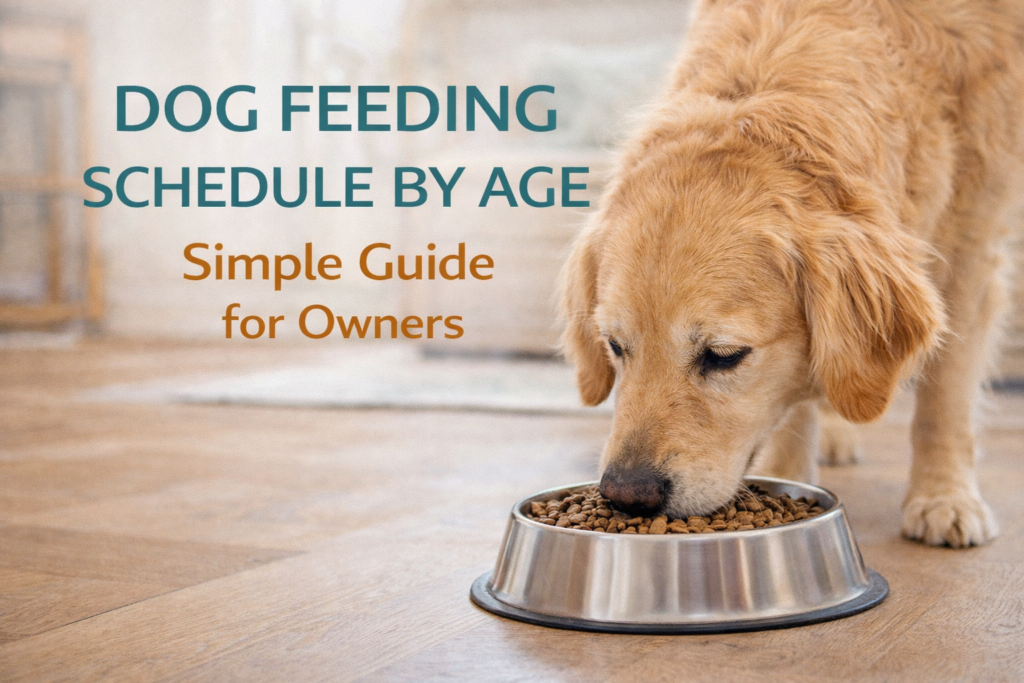
If you are unsure about proper feeding amounts, consult structured meal guidance such as Dog Feeding Schedule by Age.
Balancing treats with meals helps maintain a healthy diet. You must also refer to this article about the Dog Care: Complete Guide for Everyday Owners
Types of Healthy Dog Treats
Not all treats are created equal. Choosing healthier options can make a big difference.
Below are several types of dog treats that can fit into a balanced routine.
Natural Dog Treats
Natural treats typically contain fewer artificial additives.
Examples include:
small pieces of cooked chicken
carrots
apple slices (without seeds)
pumpkin
These simple ingredients can be appealing while providing mild nutritional benefits.
Homemade Dog Treats
Some dog owners enjoy preparing homemade treats using basic ingredients.
Common homemade treat ingredients include:
oats
pumpkin
peanut butter (xylitol-free)
sweet potatoes
Homemade treats allow better control over ingredients and portion size.
Commercial Healthy Treats
Many pet stores offer specially formulated treats designed for balanced nutrition.
Look for treats that contain:
simple ingredient lists
natural proteins
limited artificial additives
Reading ingredient labels helps identify better-quality options.
Training Treats
Training treats are usually smaller and softer to allow frequent rewards during practice sessions.
Small treat sizes help avoid overfeeding during training activities.
For guidance on teaching commands, refer to Dog Training Basics: Simple Commands Every Dog Should Learn.
Training treats should remain small and used primarily for reinforcement.
Best Healthy Treat Options for Dogs
When choosing healthy treats, simplicity is often best.
Some popular options include:
carrot sticks
small pieces of cooked lean meat
blueberries
apple slices
pumpkin
These foods are commonly enjoyed by dogs and provide mild nutritional benefits when offered in moderation.
Always introduce new foods gradually to observe how your dog responds.
Treats to Avoid Giving Dogs
Some human foods can be harmful to dogs and should be avoided.
Common foods to avoid include:
chocolate
grapes and raisins
onions and garlic
foods containing xylitol
highly processed sugary snacks
Avoiding unsafe foods helps prevent accidental health issues.
When in doubt, choose treats specifically formulated for dogs.
How Treats Fit Into Your Dog’s Daily Feeding Routine
Treats should complement a structured feeding routine rather than replace regular meals.
For example, many dog owners give treats:
during training sessions
after walks
during interactive play
However, treats should be balanced with overall daily nutrition.
If your dog experiences digestive upset, feeding adjustments such as those explained in What to Feed a Dog With Diarrhea may be helpful.
Maintaining consistency between meals, treats, and activity supports healthy digestion.
Using Treats for Training and Positive Reinforcement
Treats are commonly used in positive reinforcement training.
Reward-based training helps dogs associate good behavior with positive outcomes.
For example, treats may be used to reinforce commands such as:
sit
stay
come
However, as training progresses, rewards should gradually shift toward praise and interaction rather than constant food rewards.
Combining treats with routine activities such as walks described in Dog Walking Tips for Beginners can help reinforce good behavior.
Frequently Asked Questions
Are dog treats necessary?
Treats are not required but can be helpful for training, bonding, and positive reinforcement.
How many treats should a dog have daily?
Treats should typically make up less than 10% of a dog’s daily calorie intake.
What are the healthiest treats for dogs?
Simple natural options such as carrots, blueberries, and lean meat can be healthy treat choices.
Can treats replace regular meals?
No. Treats should supplement meals, not replace them.
Final Thoughts
Healthy dog treats can be a positive part of your dog’s routine when used responsibly. By choosing nutritious options and controlling portion sizes, you can reward your dog without disrupting their overall diet.
Treats should support training, playtime, and bonding while remaining balanced within your dog’s daily nutrition plan.
With moderation and thoughtful selection, treats can remain both enjoyable and healthy.
Disclaimer
This article is for general informational purposes only and does not replace professional veterinary advice regarding diet or health concerns.
About the Author
Hi, I’m Sonuraj, the creator of PetInfoGuide.com.
I’m a passionate dog owner and pet care enthusiast who has spent years learning about dog health, nutrition, and behavior through hands-on experience and continuous research. Like many pet owners, I started my journey with simple questions—what to feed, how to train, and how to keep my dog healthy. Over time, this curiosity turned into a deep interest in understanding what really works for everyday dog care.
PetInfoGuide.com was created to simplify dog care for beginners. The goal is to provide clear, practical, and easy-to-follow information that helps dog owners make better decisions for their pets. Every article is written with a focus on real-life situations—feeding routines, common health issues, training basics, and daily care.
I regularly research trusted sources, veterinary recommendations, and widely accepted pet care practices to ensure the information shared is accurate and helpful. While this site does not replace professional veterinary advice, it is designed to guide dog owners in understanding common problems and knowing when to seek expert help.
What you can expect from my content:
- Simple, beginner-friendly explanations
- Practical solutions you can apply immediately
- Structured guides based on real pet care needs
- Honest and research-backed information
As a pet owner myself, I understand the responsibility that comes with caring for a dog. This website is built to support you in that journey—whether you are raising a puppy or caring for an adult dog.
If you have questions or suggestions, feel free to reach out through the Contact page.
This content is for informational purposes only and is not intended to replace professional veterinary advice, diagnosis, or treatment. Always consult a qualified veterinarian or animal care professional regarding your pet’s health, routine, or dietary needs.
Pingback: How to Transition Your Dog to a New Food Safely - PetInfoGuide
Pingback: Dog Feeding Chart by Weight (2026) – Daily Feeding Guide for Dogs
Pingback: How Much Water Should a Dog Drink Each Day? (Guide)
Pingback: Puppy Vaccination Schedule: Complete Guide for New Dog and puppy Owners (2026) - PetInfoGuide
Pingback: How to Build a Daily Dog Routine for Your Dog (Healthy & Happy Pets Guide)
Pingback: Why Is My Dog Not Eating? Causes and What to Do - PetInfoGuide