Why Is My Cat Throwing Up? Common Causes, Warning Signs & When to Worry (2026)
Few things worry cat owners faster than seeing their cat vomit unexpectedly. One minute your cat seems completely normal, and the next you’re cleaning up vomit on the floor while trying to figure out whether it’s something harmless or a sign of a serious problem.
The truth is that occasional vomiting in cats can happen for many different reasons. Sometimes it’s as simple as eating too quickly or coughing up a hairball. Other times, frequent vomiting may point to digestive issues, food sensitivities, infections, or underlying health conditions that need veterinary attention.
Because cats are naturally good at hiding discomfort, repeated vomiting should never be ignored — especially if it happens alongside changes in appetite, weight, energy levels, or litter box habits.
This guide explains the most common reasons cats throw up, when vomiting is considered normal, warning signs to watch for, and what you can do to help your cat feel better.
Is It Normal for Cats to Throw Up Occasionally?
Occasional vomiting is fairly common in cats, especially in long-haired breeds or cats prone to hairballs.
A cat may vomit occasionally because of:
- eating too fast
- hairballs
- mild stomach irritation
- sudden diet changes
- overeating
- stress
However, vomiting should not become a regular occurrence. If your cat throws up frequently, suddenly begins vomiting more often, or shows other symptoms, it’s important to investigate the cause.
Healthy cats generally should not vomit repeatedly as part of their normal routine. Similar digestive issues can occur in dogs when meals are too large or consumed too quickly. Our Dog Nutrition Guide for Beginners explains how proper feeding routines support long-term pet health.
Common Reasons for why is my cat puking?
There are many possible causes of vomiting in cats, ranging from mild digestive upset to more serious medical conditions.
Hairballs
Hairballs are one of the most common causes of vomiting in cats.
As cats groom themselves, they swallow loose fur. Most of that fur passes through the digestive tract normally, but some can accumulate in the stomach and form hairballs.
Hairball vomiting is more common in:
- long-haired cats
- heavy shedders
- cats during seasonal coat changes
Signs of hairballs may include:
- gagging
- retching
- coughing sounds
- tubular clumps of fur in vomit
Regular brushing can help reduce excess shedding and minimize hairball formation.
Eating Too Fast
Some cats eat so quickly that they vomit immediately afterward.
This often happens when:
- cats compete with other pets
- meals are too large
- feeding schedules are inconsistent
- food is highly appealing
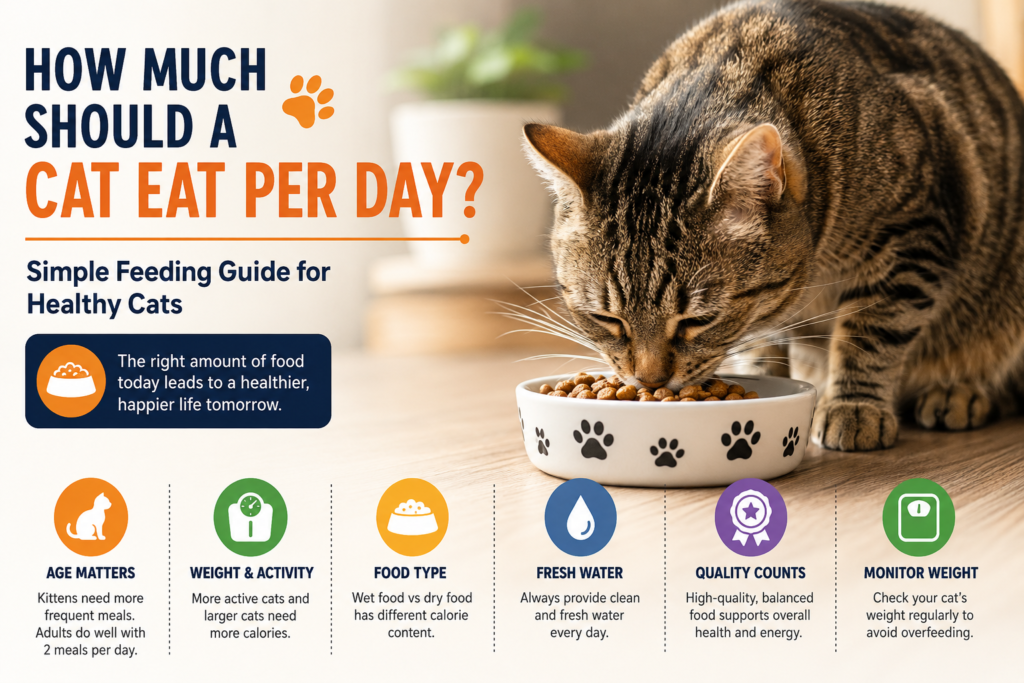
If the vomit contains undigested food shortly after eating, eating too fast may be the cause. In many cases, vomiting after meals is linked to portion sizes or feeding schedules. Understanding how much a cat should eat per day can help prevent overeating and digestive upset.
Using slow feeders or offering smaller meals more frequently can help.
Sudden Food Changes
Cats usually have sensitive digestive systems. Abrupt diet changes can upset the stomach and trigger vomiting or diarrhea.
When switching foods:
- transition gradually over 7–10 days
- mix increasing amounts of the new food slowly
- monitor appetite and stool consistency
Slow transitions are much easier on the digestive system.
Food Allergies or Sensitivities
Some cats may react poorly to certain ingredients in their food.
Food sensitivities can sometimes cause:
- vomiting
- diarrhea
- itching
- skin irritation
- chronic digestive upset
Common triggers may include:
- certain proteins
- artificial additives
- dairy products
- low-quality fillers
Veterinarians may recommend elimination diets or specialized foods if allergies are suspected.
Stress and Anxiety
Stress can affect a cat’s digestive system more than many owners realize.
Common stress triggers include:
- moving homes
- loud environments
- new pets
- routine changes
- overcrowding
- separation anxiety
Some stressed cats may vomit more frequently, stop eating normally, or hide excessively.
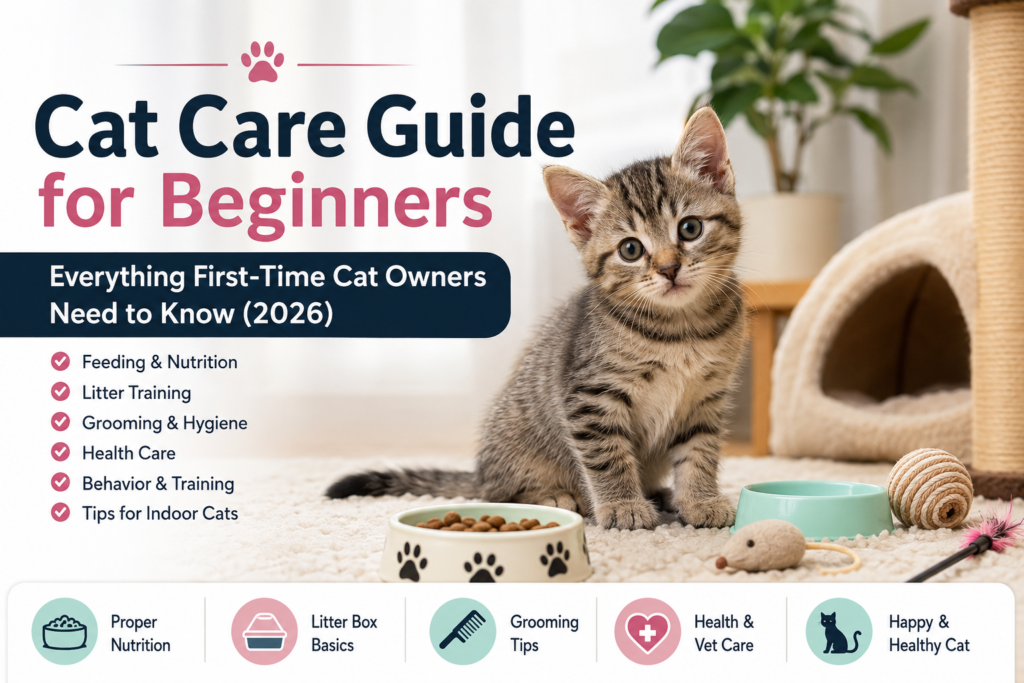
Providing quiet resting areas and maintaining stable routines can help reduce stress-related digestive upset. Establishing healthy routines is one of the foundations of responsible pet ownership. Our Cat Care Guide for Beginners explains how feeding schedules, enrichment, litter box management, and daily habits help cats feel secure in their environment.
Intestinal Parasites
Parasites are more common in kittens and outdoor cats, but indoor cats can occasionally develop them too.
Parasites may cause:
- vomiting
- diarrhea
- bloating
- poor coat condition
- weight loss
Routine veterinary exams and parasite prevention are important parts of preventive care.
Toxic Foods or Poisoning
Cats are highly sensitive to many substances commonly found around the home.
Toxic items may include:
- lilies
- onions
- garlic
- chocolate
- essential oils
- certain houseplants
- human medications
Vomiting caused by poisoning is often accompanied by:
- drooling
- weakness
- tremors
- breathing changes
- lethargy
Potential poisoning should always be treated as an emergency.
Digestive Disorders and Medical Conditions
Repeated vomiting can sometimes indicate underlying illness.
Possible medical causes include:
- inflammatory bowel disease
- kidney disease
- hyperthyroidism
- pancreatitis
- diabetes
- liver disease
- gastrointestinal blockages
Older cats are especially at risk for chronic medical conditions that may cause vomiting.
What Does the Vomit Look Like?
The appearance of vomit can sometimes provide clues about the cause.
Undigested Food
Vomiting undigested food shortly after eating may suggest:
- eating too quickly
- overeating
- mild stomach irritation
Yellow Vomit
Yellow liquid often contains bile and may occur when the stomach is empty for long periods.
White Foam
White foamy vomit can be linked to stomach irritation or hairballs.
Hairball Vomit
Tubular clumps of fur are typically hairballs.
Blood in Vomit
Blood may appear bright red or resemble dark coffee grounds.
This should always be evaluated by a veterinarian.
When Should You Worry About Cat Vomiting?
Occasional isolated vomiting may not always signal a serious issue.
However, veterinary care is important if vomiting is:
- frequent
- persistent
- severe
- accompanied by lethargy
- paired with diarrhea
- causing dehydration
- associated with appetite loss
- linked to weight loss
Seek urgent veterinary care if your cat:
- cannot keep water down
- appears weak
- has trouble breathing
- collapses
- shows signs of poisoning
- vomits blood repeatedly
Cats can become dehydrated surprisingly quickly.
What to Do If Your Cat Throws Up
If your cat vomits once but otherwise seems normal:
- monitor behavior closely
- provide fresh water
- avoid overfeeding
- observe appetite and litter habits
If vomiting continues, avoid trying multiple home remedies without veterinary guidance.
Keeping track of:
- frequency
- timing
- food intake
- appearance of vomit
can help your veterinarian identify the cause more quickly.
How to Help Prevent Vomiting in Cats
While not every case is preventable, healthy routines can reduce the risk of digestive upset.
Helpful prevention tips include:
- feeding high-quality food
- avoiding sudden diet changes
- brushing regularly
- providing fresh water
- maintaining feeding schedules
- reducing stress
- scheduling routine veterinary checkups
Portion-controlled feeding can also help prevent overeating and rapid eating.
Can Hairballs Be Prevented?
Hairballs can often be reduced with:
- regular brushing
- grooming gloves
- increased hydration
- hairball-control diets
- fiber-rich nutrition
Long-haired breeds may benefit from more frequent grooming sessions during shedding seasons.
Why Does My Cat Throw Up but Act Normal?
This is one of the most common concerns among cat owners.
Cats sometimes vomit from mild causes like:
- hairballs
- eating too fast
- temporary stomach irritation
However, cats also tend to hide illness very effectively. If vomiting becomes repetitive, even in otherwise normal-acting cats, a veterinary exam is still important.
Frequency matters more than a single isolated episode.
Final Thoughts
Seeing your cat vomit can be stressful, especially when you’re unsure whether it’s harmless or serious.
Occasional vomiting from hairballs or mild stomach upset can happen, but repeated vomiting should never be considered completely normal.
Pay attention to:
- frequency
- appetite changes
- energy levels
- hydration
- weight changes
- litter box habits
The earlier underlying problems are identified, the easier they’re often to treat.
Creating healthy feeding routines, reducing stress, maintaining grooming habits, and scheduling regular veterinary care can go a long way toward supporting your cat’s digestive health.
Frequently Asked Questions
Why does my cat throw up after eating?
Eating too quickly is a common reason cats vomit shortly after meals.
Are hairballs normal in cats?
Occasional hairballs can be normal, especially in long-haired cats, but excessive hairballs may require dietary or grooming adjustments.
When should I take my cat to the vet for vomiting?
Seek veterinary care if vomiting becomes frequent, severe, persistent, or is accompanied by other symptoms like lethargy or appetite loss.
Can stress make cats vomit?
Yes. Stress and anxiety can contribute to digestive upset in some cats.
Why is my cat throwing up yellow liquid?
Yellow vomit often contains bile and may happen when the stomach is empty for long periods.

Pet Care & Dog Training Expert – PetInfoGuide Pet care writer sharing expert dog training tips, puppy guides, cat care advice, and practical pet health information for responsible pet owners.
PetInfoGuide Editorial Team provides well-researched and practical pet care advice based on trusted sources and real-world experience. Our goal is to help pet owners make informed decisions about their pets’ health, nutrition, and daily care.
This content is for informational purposes only and is not intended to replace professional veterinary advice, diagnosis, or treatment. Always consult a qualified veterinarian or animal care professional regarding your pet’s health, routine, or dietary needs.