
How to Stop a Dog from Pulling on the Leash: A Beginner’s Guide
Leash pulling is one of the most common challenges new dog owners face. A calm walk can quickly turn into a frustrating experience when your dog constantly tugs ahead. However, leash pulling is not a sign of a “bad dog.” Instead, it often results from excitement, lack of structure, or inconsistent training.
Learning how to stop a dog from pulling on the leash requires patience, consistency, and simple techniques. With the right approach, walking can become calmer and more enjoyable for both you and your dog.
Why Do Dogs Pull on the Leash?
Dogs pull for several natural reasons.
Most commonly:
-
Excitement about the environment
-
Desire to explore scents
-
Lack of structured leash training
-
High energy levels
-
Inconsistent walking routines
Dogs move faster than humans by nature. When they discover that pulling gets them where they want to go, the behavior becomes reinforced.
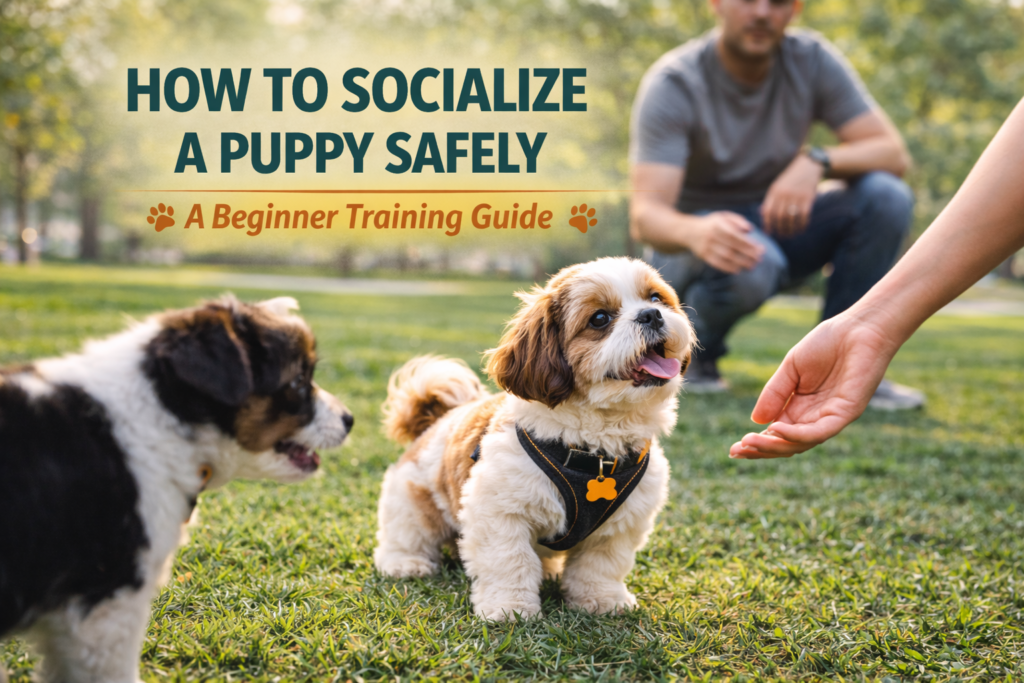
Understanding the cause helps guide the solution. Puppies that feel confident outdoors often respond better to leash guidance, as explained in How to Socialize a Puppy Safely.
Can You Train a Dog to Stop Pulling?
Yes, most dogs can learn loose leash walking through consistent training and reinforcement.
The key principles include:
-
Rewarding calm walking
-
Avoiding forward movement when pulling
-
Practicing in low-distraction environments
-
Staying consistent daily
Leash manners are part of broader foundational training. If you haven’t yet covered the basics, start with Dog Training Basics: Simple Commands Every Dog Should Learn to build communication first.
Step-by-Step: How to Stop a Dog from Pulling on the Leash
Below are beginner-friendly methods that work when applied consistently.
1. Start in a Low-Distraction Area
Before training outside in busy streets or parks, begin indoors or in a quiet area.
This allows your dog to focus without overwhelming stimulation.
2. Use the Stop-and-Wait Method
When your dog pulls:
-
Stop walking immediately
-
Stand still
-
Wait until the leash becomes loose
Only move forward once tension disappears.
This teaches your dog that pulling does not lead to progress.
3. Reward Loose Leash Walking
Whenever your dog walks beside you calmly:
-
Offer praise
-
Use small treats (if part of your routine)
-
Maintain a steady pace
Positive reinforcement builds understanding faster than correction alone.
4. Change Direction Technique
If your dog pulls ahead:
-
Gently turn and walk in the opposite direction
-
Encourage your dog to follow
This keeps attention on you rather than the environment.
5. Keep Training Sessions Short
Loose leash training should be practiced in 5–15 minute sessions.
Short sessions prevent frustration and improve focus.
Best Equipment for Loose Leash Walking
Proper equipment can support training efforts.
Common options include:
-
Standard 4–6 foot leash
-
Well-fitted collar
-
Comfortable harness
Avoid overly long retractable leashes when teaching beginners, as they reduce control and consistency.
Simple equipment works best when paired with structured training.
Common Mistakes That Make Pulling Worse
Many well-meaning owners accidentally reinforce pulling.
Avoid:
-
Continuing to walk while the leash is tight
-
Inconsistent reactions
-
Yelling or harsh corrections
-
Skipping daily practice
-
Expecting immediate perfection
Consistency is more important than speed.
How Long Does It Take to Fix Leash Pulling?
Progress varies depending on:
-
Dog’s age
-
Energy level
-
Daily practice
-
Consistency
Some dogs show improvement within a few weeks of structured training. However, lasting habits require continued reinforcement.
Training should feel steady, not rushed.
How Leash Training Fits Into Daily Exercise and Routine
Leash walking is part of your dog’s overall activity structure.
Regular walks contribute to daily movement needs, as explained in How Much Exercise Does a Dog Need Each Day?
However, walking is not just physical exercise. It also supports mental stimulation and behavior reinforcement.
For a structured approach to walking, refer to Dog Walking Tips for Beginners: How to Build a Healthy Routine.
When combined with consistent commands and routines, leash training becomes part of a balanced care system outlined in Dog Care: Complete Guide for Everyday Owners.
Everything works together.
Frequently Asked Questions
Why does my dog pull so much on walks?
Dogs pull due to excitement, curiosity, or lack of structured leash training.
Can older dogs learn loose leash walking?
Yes. With patience and repetition, adult and senior dogs can improve leash manners.
Should I stop walking when my dog pulls?
Yes. Stopping removes the reward of forward movement and teaches control.
Is pulling a sign of dominance?
Pulling usually reflects excitement or habit, not dominance.
Final Thoughts
Learning how to stop a dog from pulling on the leash takes patience and steady effort. Rather than focusing on immediate perfection, aim for gradual improvement.
With consistent daily practice, short sessions, and calm reinforcement, walking can become enjoyable again.
Small adjustments create lasting change.
Disclaimer
This article is for general informational purposes only and does not replace professional training consultation if needed.

Pingback: Dog Training Basics: Simple Commands Every Dog Should Learn -
Pingback: Dog Walking Tips for Beginners: How to Build a Healthy Routine -
Pingback: How Much Exercise Does a Dog Need Each Day? A Simple Guide