
Dog Nutrition Basics: Feeding & Routine Guide for Owners
Understanding dog nutrition basics can feel overwhelming at first. With so many opinions, food options, and feeding advice available, many dog owners simply want to know one thing: What does my dog actually need to stay healthy and comfortable?
This guide explains dog nutrition basics in simple terms, focusing on balanced feeding, routine, and realistic expectations. Rather than promoting trends or extreme diets, this article helps you understand the foundations of everyday feeding.
Good nutrition is not about perfection — it’s about consistency.
What Is Dog Nutrition basics?
Dog nutrition refers to providing the right balance of nutrients through food to support energy, growth, and overall wellbeing.
At its core, proper nutrition helps:
Maintain steady energy levels
Support muscle and coat condition
Aid digestion
Maintain healthy body weight
Support long-term comfort
Nutrition works best when it’s simple and structured rather than constantly changing.
The Core Components of a Balanced Dog Diet
Every dog diet is built on several key nutritional components.
1️⃣ Protein
Protein supports:
Muscle development
Tissue repair
Daily energy needs
Dogs rely on protein as a primary nutritional component. However, more is not always better — balance matters.
2️⃣ Fats
Healthy fats provide:
Energy
Coat support
Nutrient absorption
Too little fat can affect coat condition, while too much may lead to weight gain. Moderation is key.
3️⃣ Carbohydrates
Carbohydrates often provide:
Readily available energy
Digestive support (in some cases)
Although dogs don’t require large amounts, carbohydrates are commonly included in commercial dog food formulas.
4️⃣ Vitamins and Minerals
These support:
Bone health
Immune function
Overall metabolic balance
Most complete dog foods are formulated to include essential vitamins and minerals in balanced amounts.
5️⃣ Water
Water is often overlooked, yet it is one of the most important parts of nutrition.
Fresh, clean water should always be available. Hydration supports digestion and overall comfort.
Understanding Different Types of Dog Food
Dog owners typically choose from several feeding approaches.
Dry Dog Food (Kibble)
Dry food is widely used because:
It is convenient
It has a long shelf life
It is easy to portion
Many owners prefer it for routine feeding.
Wet Dog Food
Wet food contains higher moisture content and may be:
More palatable for some dogs
Easier to chew for seniors
However, it may require more careful portion control.
Home-Prepared Food
Some owners prepare food at home. While this approach allows control over ingredients, it requires careful planning to maintain balance.
If using a home-prepared approach, consistency is important, and sudden changes should be avoided.
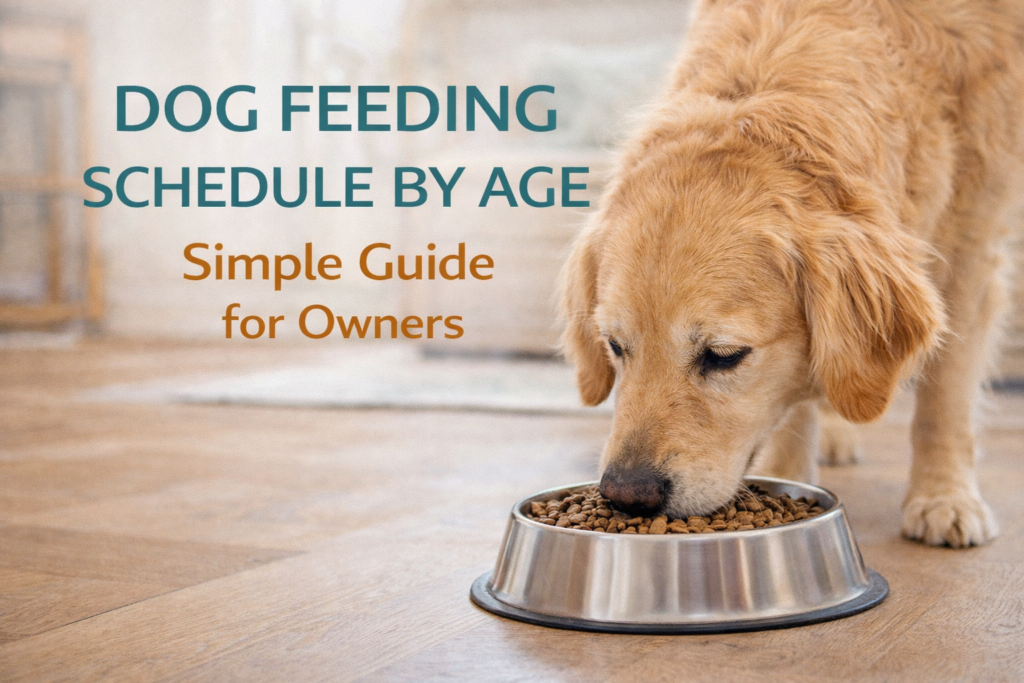
Feeding Routine and Schedule by Age
Nutrition is not only about what you feed but also when you feed.
A consistent feeding routine supports digestion and behavioral stability.
For detailed age-based guidance, see:
In general:
Puppies eat more frequently
Adults usually eat twice daily
Seniors may benefit from smaller, consistent portions
Routine builds stability.
Portion Control and Body Condition Awareness
Even high-quality food can become problematic if overfed.
Signs of appropriate portion balance often include:
Stable energy levels
Comfortable body condition
No sudden weight fluctuations
Overfeeding is one of the most common nutrition mistakes. Therefore, observing your dog’s body condition is often more helpful than focusing solely on packaging guidelines.
Treats and Snacks in Daily Nutrition
Treats can be useful for training and bonding. However, they should not replace meals.
Helpful guidelines include:
Keeping treats small
Limiting frequency
Avoiding over-reliance
Treats should support training, not disrupt nutrition balance.
Digestive Sensitivity and Temporary Feeding Adjustments
Occasionally, dogs experience mild digestive upset.
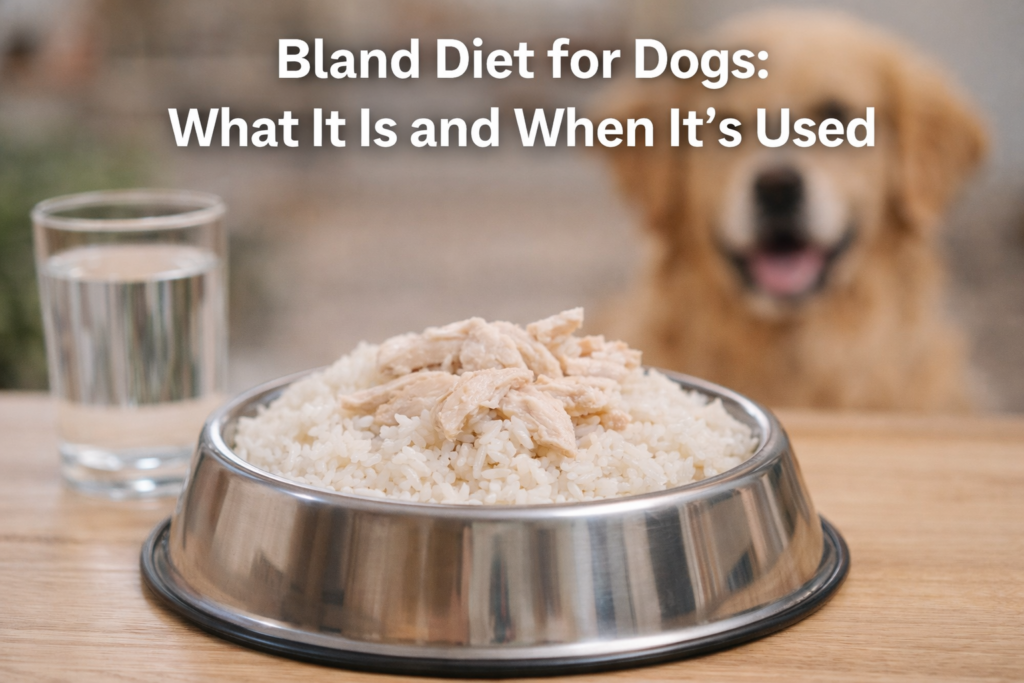
In such cases, temporary feeding adjustments may be used.
You may find these guides helpful:
These approaches are meant for short-term support, not long-term dietary changes.
Common Dog Nutrition Mistakes to Avoid
Many nutrition problems come from small, preventable habits.
Common mistakes include:
Sudden food changes
Overfeeding
Inconsistent feeding times
Excessive treats
Constantly switching brands
Consistency is often more important than variety.
How Nutrition Fits into Everyday Dog Care
Nutrition is one piece of the larger dog care picture.
For a broader understanding, see:
Feeding works best when combined with:
Grooming routines
Exercise
Regular observation
Structured daily habits
Nutrition does not stand alone — it works within routine.
Frequently Asked Questions
What are dog nutrition basics?
Dog nutrition basics include providing balanced food with protein, fats, essential nutrients, and a consistent feeding routine.
How often should dogs eat?
Most adult dogs eat twice daily, while puppies require more frequent meals.
Is switching dog food frequently recommended?
Frequent sudden changes can disrupt digestion. Gradual transitions are generally preferred.
Do dogs need special diets?
Routine balanced feeding works for most dogs. Individual concerns should be discussed with a qualified professional.
Final Thoughts
Understanding dog nutrition basics helps simplify feeding decisions. Rather than chasing trends or overcomplicating routines, most dogs benefit from balanced meals, consistent timing, and careful observation.
When nutrition is structured and stable, it supports comfort, energy, and long-term wellbeing.
Consistency builds results.
Disclaimer
This article is for general informational purposes only and does not replace professional veterinary advice. If you have specific concerns about your dog’s diet or health, consult a qualified veterinarian.

Pet Care & Dog Training Expert – PetInfoGuide Pet care writer sharing expert dog training tips, puppy guides, cat care advice, and practical pet health information for responsible pet owners.
PetInfoGuide Editorial Team provides well-researched and practical pet care advice based on trusted sources and real-world experience. Our goal is to help pet owners make informed decisions about their pets’ health, nutrition, and daily care.
This content is for informational purposes only and is not intended to replace professional veterinary advice, diagnosis, or treatment. Always consult a qualified veterinarian or animal care professional regarding your pet’s health, routine, or dietary needs.
Pingback: Bland Diets for Dogs: A Clear Guide for Digestive Relief
Pingback: What to Feed a Dog With Diarrhea -
Pingback: Dog Care: Complete Guide for Everyday Owners -
Pingback: Dog Feeding Schedule by Age: A Simple Guide for Owners - PetInfoGuide