
Dog Not Eating But Active: Causes, Solutions & When to Worry (2026 Guide)
Introduction
If your dog not eating but active, it can be confusing and concerning. A healthy dog typically has a consistent appetite, so when they suddenly stop eating while continuing to play and behave normally, it raises important questions. If you are unsure about proper portions, refer to our dog feeding chart by weight to ensure your pet is getting the right nutrition
In many cases, this situation is not immediately serious. However, it can sometimes indicate an underlying issue that requires attention.
This guide explains the possible causes, practical solutions, and when you should consult a veterinarian.
Why Is My Dog Not Eating But Active?
1. Picky Eating Behavior
Dogs can become selective eaters due to frequent food changes, excessive treats, or exposure to human food. In such cases, your dog may refuse regular meals while waiting for something more appealing.
2. Change in Routine
Dogs rely heavily on routine. Changes such as new feeding times, relocation, travel, or the addition of new family members can temporarily reduce appetite.
3. Weather Changes
In warmer climates, especially in countries like India, dogs often eat less during hot weather while remaining active. This is a natural response to temperature changes.
4. Dental Issues
Dogs may avoid food if they experience oral discomfort. Common signs include bad breath, drooling, and difficulty chewing. Dental pain can exist even if the dog appears active.
5. Mild Stomach Upset
Minor digestive issues caused by eating grass, spoiled food, or sudden diet changes can lead to temporary appetite loss. Dogs often recover quickly without major symptoms. If your dog also shows signs like vomiting, check our detailed guide on dog vomiting after eating.
6. Stress or Anxiety
Stress factors such as loud noises, separation anxiety, or environmental changes can affect eating habits while leaving activity levels unchanged.
When Should You Be Concerned?
Even if your dog remains active, watch for the following warning signs:
- Refusal to eat for more than 24 to 48 hours
- Vomiting
- Diarrhea
- Noticeable weight loss
- Signs of dehydration
- Gradual decrease in activity
If any of these symptoms are present, veterinary consultation is recommended. Watch for serious symptoms like dehydration; learn more about signs of dehydration in dogs
How to Encourage Your Dog to Eat Again
Improve Food Appeal
Enhance your dog’s meals by mixing boiled chicken with regular food, adding warm water to dry kibble, or slightly heating the food to increase aroma.
Maintain a Feeding Schedule
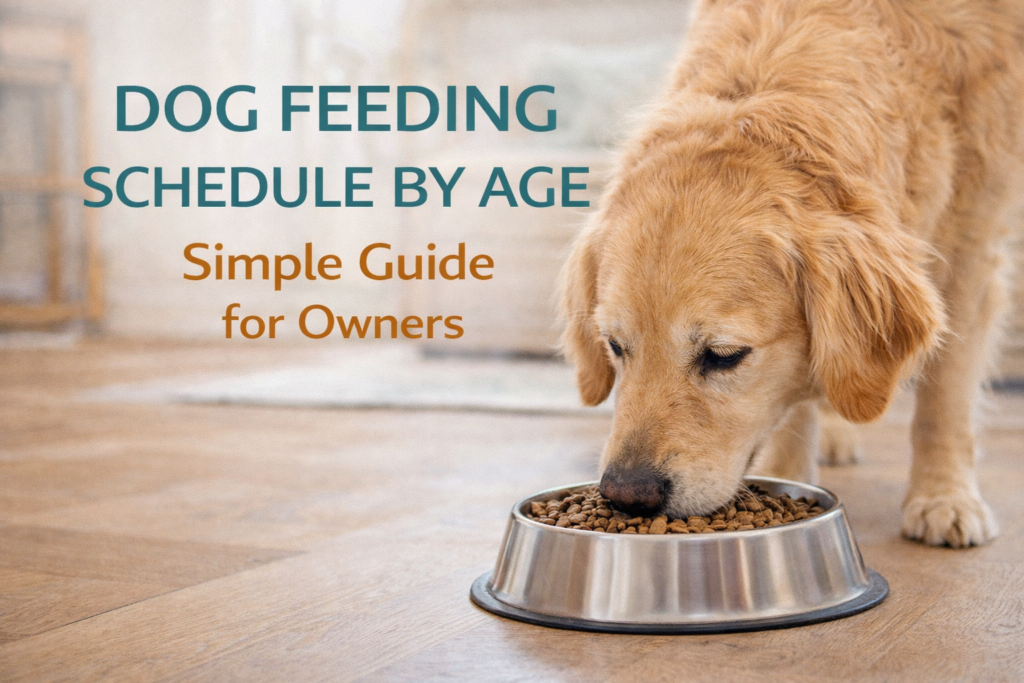
Feed your dog at consistent times daily. Remove uneaten food after 15 to 20 minutes to encourage discipline and routine. You may also check for Dog feeding schedule by age.
Reduce Treat Intake
Excessive treats can reduce hunger. Limit snacks between meals to ensure your dog is ready to eat during feeding times.
Ensure Proper Hydration
Some dogs skip food but continue drinking water. Encourage hydration by offering fresh water or adding light broth to meals. Proper hydration is essential, and you can learn more in our guide on how much water should a dog drink daily.
Increase Physical Activity
Regular exercise such as walks and play sessions can naturally stimulate appetite.
Offer Simple Home Diet
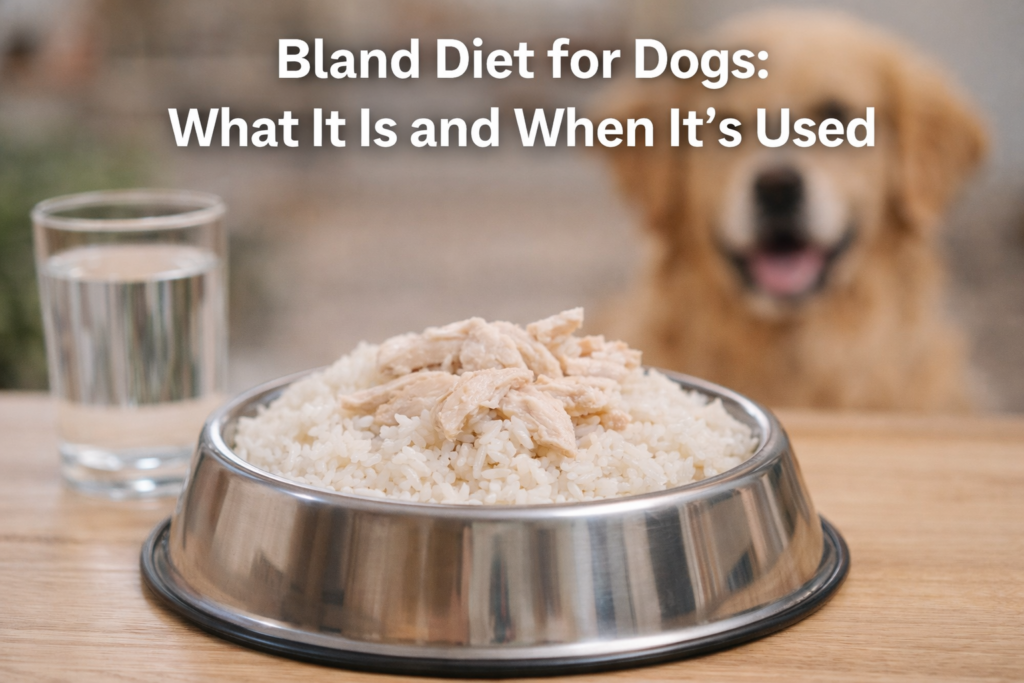
Temporary options like boiled chicken with rice or curd with rice are easy to digest and often more appealing to dogs with low appetite.
Puppy Not Eating But Active
In puppies, loss of appetite should be taken more seriously. Puppies require consistent nutrition for growth and development. If a puppy skips multiple meals or shows signs of weakness, immediate attention is necessary.
How Long Can a Dog Go Without Eating?
A healthy adult dog can typically go one to two days without food if they are drinking water. Puppies should not go more than 12 to 24 hours without eating.
Extended refusal to eat increases health risks and should not be ignored.
Expert Insight
Dogs quickly learn patterns. If better food is offered after they refuse regular meals, they may develop a habit of rejecting normal food. Consistency in feeding is essential to avoid reinforcing selective eating behavior.
Common Mistakes to Avoid
- Changing food frequently
- Offering too many treats
- Ignoring symptoms for extended periods
- Forcing food intake
Summary
If your dog is active and drinking water but not eating, the issue is often temporary or behavioral. However, if the condition persists or additional symptoms develop, timely action is necessary.
Frequently Asked Questions
Is it normal for a dog to skip meals?
Yes, occasionally skipping a meal can be normal if the dog remains active and hydrated.
What should I feed a dog that refuses food?
Simple, easily digestible foods such as boiled chicken and rice are good options.
Should I force my dog to eat?
No. Forcing food can increase stress and worsen the issue.
When should I visit a veterinarian?
If your dog has not eaten for more than 48 hours or shows symptoms like vomiting, weakness, or dehydration.
Disclaimer
This article is intended for informational purposes only and does not replace professional veterinary advice. Always consult a qualified veterinarian for diagnosis and treatment of health concerns.
About the Author
Hi, I’m Sonuraj, the creator of PetInfoGuide.com.
I’m a passionate dog owner and pet care enthusiast who has spent years learning about dog health, nutrition, and behavior through hands-on experience and continuous research. Like many pet owners, I started my journey with simple questions—what to feed, how to train, and how to keep my dog healthy. Over time, this curiosity turned into a deep interest in understanding what really works for everyday dog care.
PetInfoGuide.com was created to simplify dog care for beginners. The goal is to provide clear, practical, and easy-to-follow information that helps dog owners make better decisions for their pets. Every article is written with a focus on real-life situations—feeding routines, common health issues, training basics, and daily care.
I regularly research trusted sources, veterinary recommendations, and widely accepted pet care practices to ensure the information shared is accurate and helpful. While this site does not replace professional veterinary advice, it is designed to guide dog owners in understanding common problems and knowing when to seek expert help.
What you can expect from my content:
- Simple, beginner-friendly explanations
- Practical solutions you can apply immediately
- Structured guides based on real pet care needs
- Honest and research-backed information
As a pet owner myself, I understand the responsibility that comes with caring for a dog. This website is built to support you in that journey—whether you are raising a puppy or caring for an adult dog.
If you have questions or suggestions, feel free to reach out through the Contact page.
This content is for informational purposes only and is not intended to replace professional veterinary advice, diagnosis, or treatment. Always consult a qualified veterinarian or animal care professional regarding your pet’s health, routine, or dietary needs.
Pingback: Dog Feeding Chart by Weight (2026) – Daily Feeding Guide for Dogs
Pingback: What to Give a Dog for Upset Stomach and Vomiting