
Puppy & Dog Care Guide: A Complete Guide for Everyday Pet Parents
Caring for a dog is a long-term commitment that goes far beyond food and shelter. Dogs thrive on routine, consistency, and thoughtful care that supports both their physical comfort and emotional wellbeing. Whether you are a new dog owner or someone looking to improve daily care habits, understanding the basics of dog care can make a meaningful difference. Proper hydration is essential. See How Much Water Should a Dog Drink Each Day. Proper hydration is essential. See How Much Water Should a Dog Drink Each Day.
This complete guide to dog care is designed to help everyday owners build simple, sustainable routines. It covers feeding, grooming, exercise, training, and common care mistakes—without overwhelming you or making unrealistic promises. The focus is on practical, everyday care, not medical treatment. Creating a structured day helps maintain balance. See How to Build a Daily Routine for Your Dog.
Understanding the Complete Dog Care Guide (2026): Expert Tips for Owners
Dog care is not about perfection. It is about consistency. Most dogs respond well to predictable routines that help them feel secure in their environment.
At its core, dog care includes:
- Regular feeding routines
- Basic grooming and coat care
- Daily movement and mental stimulation
- Gentle training and communication
- Observation and early awareness of changes
- Preventive care includes vaccinations. Refer to Puppy Vaccination Schedule.
When these elements work together, dogs are generally calmer, healthier, and easier to care for over time. For structured exposure techniques, read How to Socialize a Puppy Safely.
Feeding Your Dog: Building a Healthy Routine
Feeding is one of the most important daily responsibilities of dog ownership. Rather than focusing on trends or complicated plans, most dogs do best with simple, consistent feeding habits. Portion control is essential. See Dog Feeding Chart by Weight: How Much Food Your Dog Needs Daily.
Choosing a Feeding Approach
Dog owners typically choose between:
- Commercial dog food
- Home-prepared food
- A combination of both
Whichever approach you choose, consistency matters more than variety. Sudden changes in food are a common cause of digestive upset. Diet choices matter. Read Can Dogs Eat Rice.
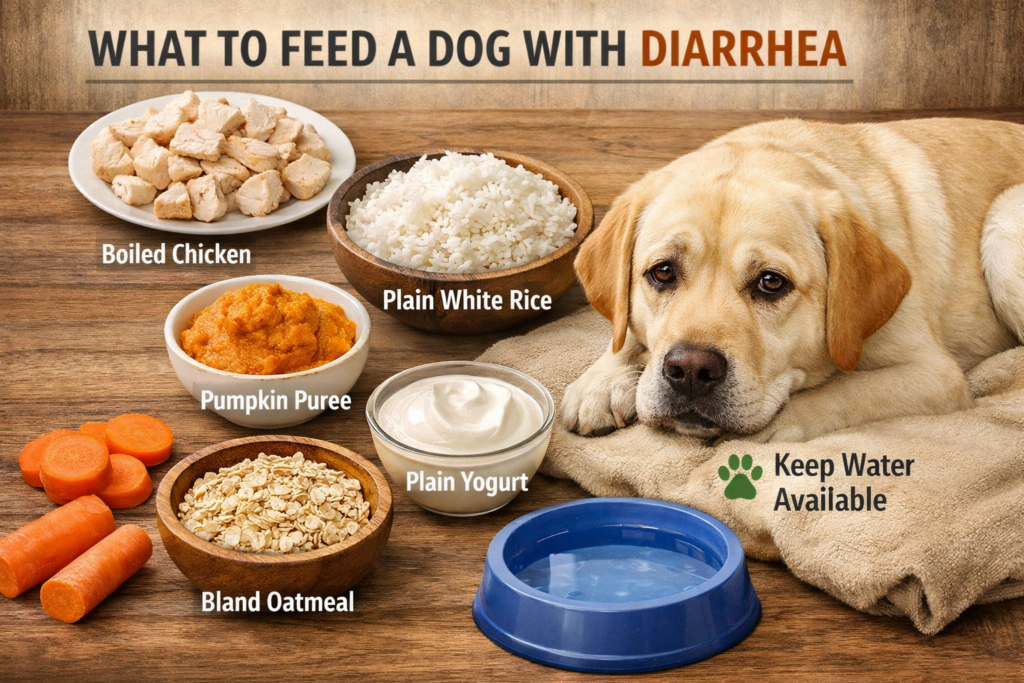
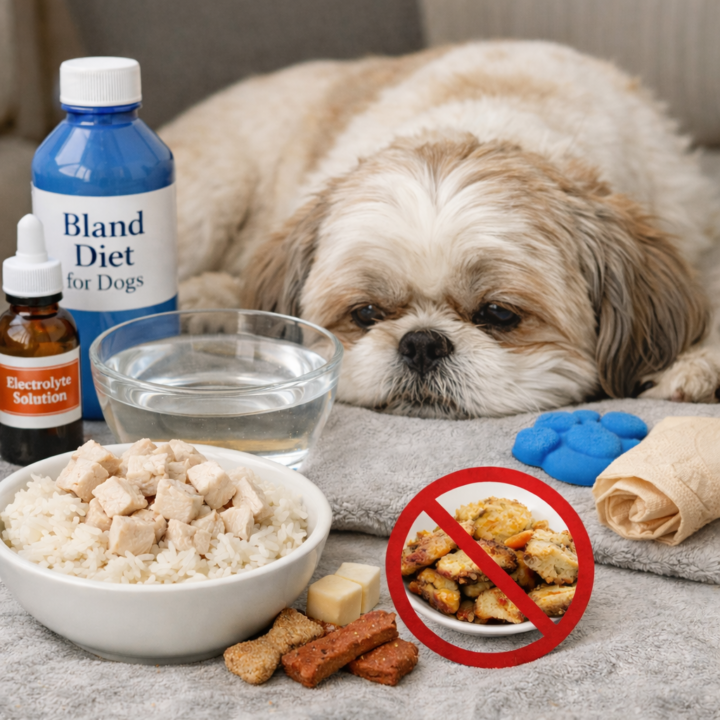
If you are dealing with temporary digestive issues, you may find it helpful to read:
These articles explain gentle, short-term feeding adjustments in a safe, informational way.
Feeding Schedules and Portion Awareness
Dogs respond well to routine. Feeding at the same times each day helps regulate digestion and behavior.
Key points to remember:
- Puppies usually eat more frequently
- Adult dogs often do well with two meals per day
- Treats should not replace meals
- Fresh water should always be available
A structured dog feeding schedule by age supports both digestion and training. Also, need to understand Dog Nutrition Basics: Feeding & Routine Guide for Owners before you feed your furry friend.
Grooming and Coat Care: More Than Just Appearance
Grooming plays an important role in a dog’s comfort and cleanliness. It also gives owners a chance to notice changes in skin, coat, or overall condition.
Why Regular Grooming Matters
Basic grooming helps:
- Reduce loose fur
- Prevent matting
- Maintain skin comfort
- Build trust between dog and owner
Home grooming does not need to be complicated or time-consuming. Hygiene is essential. See How Often Should You Bathe Your Dog.
Managing Shedding at Home
Shedding is natural, especially for dogs with double coats. While it cannot be eliminated completely, it can often be managed with the right routine.
Helpful shedding care includes:
- Regular brushing
- Appropriate grooming tools
- Clean bedding and living areas
If shedding is a concern, these resources may help:
Common Grooming Mistakes to Avoid
New dog owners sometimes overdo grooming or use unsuitable products. Common mistakes include:
- Grooming too frequently
- Using human shampoos
- Ignoring coat type
- Rushing grooming sessions
Avoiding these mistakes makes grooming more comfortable for both you and your dog.
You can learn more in Dog Grooming Mistakes New Owners Should Avoid.
Exercise and Daily Activity Needs
Exercise supports both physical health and mental balance. Dogs that receive regular activity are often calmer and less prone to behavioral issues. For practical daily movement tips, see our guide on Dog Walking Tips for Beginners.
How Much Exercise Does a Dog Need?
Exercise needs vary depending on:
- Age
- Breed
- Energy level
- Living environment
Some dogs need long walks and playtime, while others are satisfied with moderate daily movement. The key is regular activity rather than intensity. Here is an article to help you understand everything in details about How Much Exercise Does a Dog Need Each Day? A Simple Guide for Owners
Training and Communication
Training is not about control—it is about communication. Dogs learn best through repetition, consistency, and calm guidance. Foundational behavior also plays an important role, which is why learning Dog Training Basics: Simple Commands Every Dog Should Learn can help create structure and clear communication.
Getting Started With Training
Basic training helps dogs:
- Understand routines
- Feel secure
- Communicate needs
Short, positive training sessions are usually more effective than long or demanding ones. Emotional well-being is important. Read How to Calm an Anxious Dog.
Understanding Dog Body Language
Dogs communicate primarily through body language. Learning to recognize common signals can help owners respond appropriately and prevent misunderstandings.
Common signs include:
- Tail position
- Ear movement
- Posture
- Eye contact
Understanding these cues improves trust and reduces stress for your dog. Creating a predictable environment is an important part of everyday dog care. For owners who are introducing a crate for the first time, our Crate Training for Beginners guide walks through the process step by step.
Treats and Rewards: Using Them Wisely
Treats can be a helpful part of training and bonding, but moderation is important.
Helpful treat guidelines:
- Use small portions
- Avoid overuse
- Choose treats that suit your dog’s size
- Do not replace meals with treats
Treats work best as occasional rewards rather than daily staples.
Common Dog Care Mistakes New Owners Make
Every dog owner makes mistakes, especially in the beginning. The key is learning and adjusting rather than aiming for perfection.
Some common mistakes include:
- Overfeeding
- Inconsistent routines
- Skipping grooming basics
- Expecting instant training results
Being aware of these issues early can help you avoid long-term challenges. To avoid damaging growing joints, be sure to follow a strict schedule for How Long Should You Walk Your Dog Each Day? during their first year
Creating a Calm and Comfortable Home Environment
Dogs benefit from a predictable environment where they know what to expect. Simple adjustments can make a big difference.
Helpful home care tips:
- Provide a quiet resting area
- Maintain regular routines
- Avoid sudden changes when possible
- Offer mental stimulation through toys or interaction
A calm environment supports better behavior and overall wellbeing. Many owners also use structured resting spaces. See Crate Training Guide for Beginners.
Observation: The Most Overlooked Part of Dog Care
One of the most important aspects of dog care is observation. Owners who pay attention to small changes often notice issues early.
Things to watch for:
- Changes in appetite
- Energy level shifts
- Coat or skin changes
- Behavior differences
Observation does not mean diagnosis—it simply means being attentive.
Building Long-Term Dog Care Habits
Good dog care is built over time. Small, consistent habits matter more than occasional intense effort.
Focus on:
- Simple routines
- Clear communication
- Patience and flexibility
- Learning as you go
Dogs do not need perfect owners—they need reliable ones.
Final Thoughts
Dog care is a daily practice rooted in routine, awareness, and patience. By focusing on consistent feeding, gentle grooming, regular activity, and clear communication, everyday owners can create a balanced and supportive environment for their dogs.
This guide is designed to grow with you. As you learn more about your dog’s needs, you can adapt routines and deepen your understanding—one step at a time.
Disclaimer
This article is for general informational purposes only and does not replace professional veterinary or training advice. If you have specific concerns about your dog’s health or behavior, consult a qualified professional.

About the Author
Hi, I’m Sonuraj, the creator of PetInfoGuide.com.
I’m a passionate dog owner and pet care enthusiast who has spent years learning about dog health, nutrition, and behavior through hands-on experience and continuous research. Like many pet owners, I started my journey with simple questions—what to feed, how to train, and how to keep my dog healthy. Over time, this curiosity turned into a deep interest in understanding what really works for everyday dog care.
PetInfoGuide.com was created to simplify dog care for beginners. The goal is to provide clear, practical, and easy-to-follow information that helps dog owners make better decisions for their pets. Every article is written with a focus on real-life situations—feeding routines, common health issues, training basics, and daily care.
I regularly research trusted sources, veterinary recommendations, and widely accepted pet care practices to ensure the information shared is accurate and helpful. While this site does not replace professional veterinary advice, it is designed to guide dog owners in understanding common problems and knowing when to seek expert help.
What you can expect from my content:
- Simple, beginner-friendly explanations
- Practical solutions you can apply immediately
- Structured guides based on real pet care needs
- Honest and research-backed information
As a pet owner myself, I understand the responsibility that comes with caring for a dog. This website is built to support you in that journey—whether you are raising a puppy or caring for an adult dog.
If you have questions or suggestions, feel free to reach out through the Contact page.
This content is for informational purposes only and is not intended to replace professional veterinary advice, diagnosis, or treatment. Always consult a qualified veterinarian or animal care professional regarding your pet’s health, routine, or dietary needs.
Pingback: Bland Diets for Dogs: A Clear Guide for Digestive Relief
Pingback: Dog Grooming at Home: Tools and Simple Routine -
Pingback: How to Reduce Dog Shedding at Home (Simple Care Tips)
Pingback: Dog Nutrition Basics: Feeding & Routine Guide for Owners -
Pingback: Dog Walking Tips for Beginners: How to Build a Healthy Routine -
Pingback: Dog Training Basics: Simple Commands Every Dog Should Learn -
Pingback: How to Socialize a Puppy Safely Beginner Guide - PetInfoGuide
Pingback: Crate training for dogs guide Easy Steps to Train Your Dog
Pingback: Healthy Dog Treats: How Often and How Much to Give - PetInfoGuide
Pingback: How to Transition Your Dog to a New Food Safely - PetInfoGuide
Pingback: How to Build a Daily Dog Routine for Your Dog (Healthy & Happy Pets Guide)
Pingback: Dog Feeding Chart by Weight (2026) – Daily Feeding Guide for Dogs
Pingback: Dog Feeding Schedule by Age: A Simple Guide for Owners - PetInfoGuide
Pingback: How Much Water Should a Dog Drink Each Day? (Guide)
Pingback: How to Calm an Anxious Dog: Simple Tips That Work PetInfoGuide
Pingback: My Shih Tzu Vaccination Journey: What Every First-Time Puppy Owner Should Know (2026)